
Taj Mahal Quartzite Countertops: The Luxury Stone That Combines Beauty With Everyday Durability
If you've spent any time browsing luxury kitchen inspiration, you've probably noticed one stone appearing repeatedly in high-end homes: Taj Mahal quartzite.
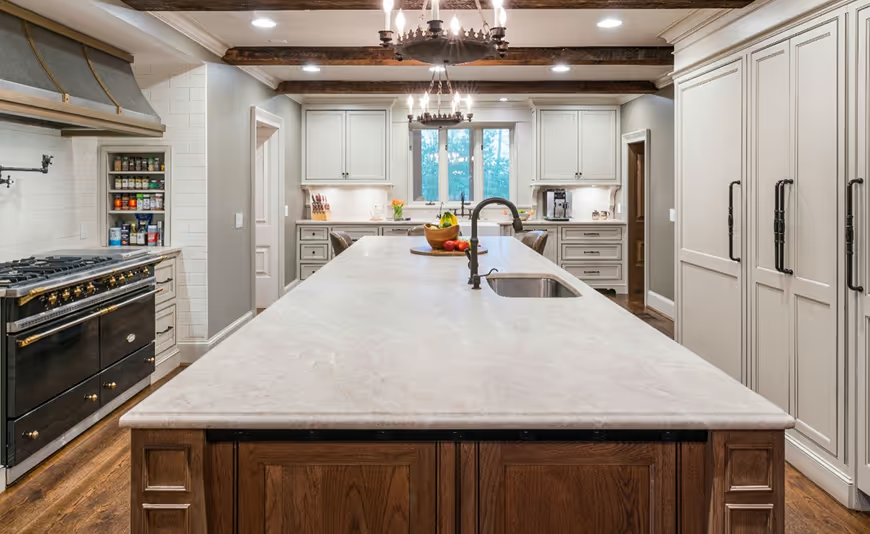
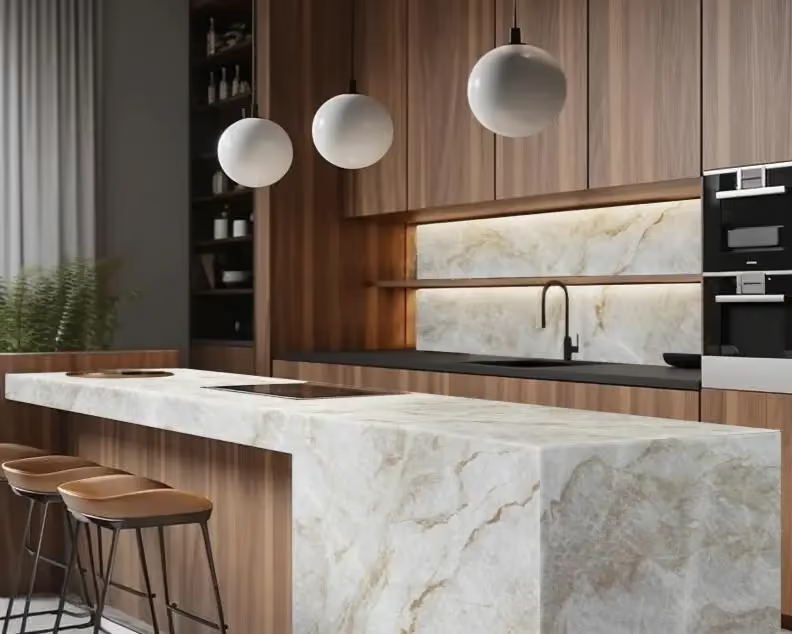
Its soft cream background, warm beige veining, and elegant movement give it the timeless appearance of marble while offering the durability of one of nature's hardest stones. For homeowners in Northern Virginia investing in a kitchen or bathroom remodel, it's become one of the most requested premium countertop materials—and for good reason.
But despite its popularity, many homeowners still confuse quartzite with quartz, assume it's simply another variety of marble, or underestimate the importance of professional fabrication and installation.
Choosing the right countertop is about more than selecting a beautiful slab. It affects how your kitchen functions, how much maintenance you'll perform over the years, and even your home's resale value.
Whether you're planning a complete kitchen renovation, updating a bathroom vanity, or designing a custom outdoor entertaining space, understanding the strengths and limitations of Taj Mahal quartzite will help you make a confident decision.
If you're still comparing natural stone options, browsing different countertop materials before selecting the right surface can help narrow your choices based on appearance, durability, maintenance, and budget..
What Is Taj Mahal Quartzite?
Despite its name, Taj Mahal quartzite has no connection to India or the famous monument.
It is a natural metamorphic stone formed when sandstone is subjected to extreme heat and pressure deep within the earth over millions of years. During this geological process, quartz crystals fuse together, creating a remarkably dense and durable material.
The result is a natural stone that combines:
- exceptional hardness
- subtle flowing veining
- warm neutral colors
- excellent resistance to scratching
- long-term durability
Unlike engineered quartz, every slab of Taj Mahal quartzite is completely unique. No two pieces share identical veining or color patterns, making each countertop a one-of-a-kind installation.
Most slabs feature:
- creamy white backgrounds
- soft ivory tones
- warm gold highlights
- light gray accents
- delicate taupe veining
- occasional translucent crystal formations that shimmer under natural light
This understated elegance allows Taj Mahal quartzite to complement a wide range of interior styles—from modern minimalist kitchens to classic transitional homes and luxurious traditional designs.
Why Taj Mahal Quartzite Has Become One of the Most Popular Luxury Countertops
Homeowners today are increasingly looking for materials that combine beauty with practicality. While marble remains iconic, many families prefer a surface that requires less care and better withstands the demands of everyday living.
Taj Mahal quartzite meets that need by offering several advantages.
Marble-Inspired Appearance Without Marble's Delicate Nature
Many people love the sophisticated look of marble but worry about etching, staining, and frequent maintenance.
Taj Mahal quartzite delivers a similar refined aesthetic while providing greater resistance to everyday wear when properly sealed.
This makes it especially attractive for busy kitchens where cooking, entertaining, and family gatherings happen daily.
A Versatile Neutral Color Palette
Interior design trends change, but neutral natural stones continue to remain relevant.
Because Taj Mahal quartzite features warm whites and soft beige tones, it pairs beautifully with virtually every cabinet color.
Popular combinations include:
- White shaker cabinets
- Warm natural oak cabinets
- Walnut cabinetry
- Soft gray painted cabinets
- Matte black modern cabinets
- Deep navy kitchen islands
- Sage green cabinetry
If you're still deciding which cabinet style complements Taj Mahal quartzite, exploring different cabinet materials and collections can help you visualize combinations before making a final selection.
Exceptional Durability
Quartzite ranks among the hardest natural stones used for residential countertops.
When professionally fabricated and installed, Taj Mahal quartzite offers excellent resistance to:
- scratches
- everyday impact
- heat from cookware
- heavy kitchen use
While no countertop material is completely indestructible, quartzite performs exceptionally well in active family kitchens where durability matters just as much as appearance.
Professional fabrication is equally important. Precise cutting, edge finishing, seam placement, and installation all influence how the finished countertop performs over time. Working with experienced countertop fabrication and installation specialists helps ensure the stone retains both its beauty and structural integrity.
Taj Mahal Quartzite vs. Quartz: Understanding the Difference
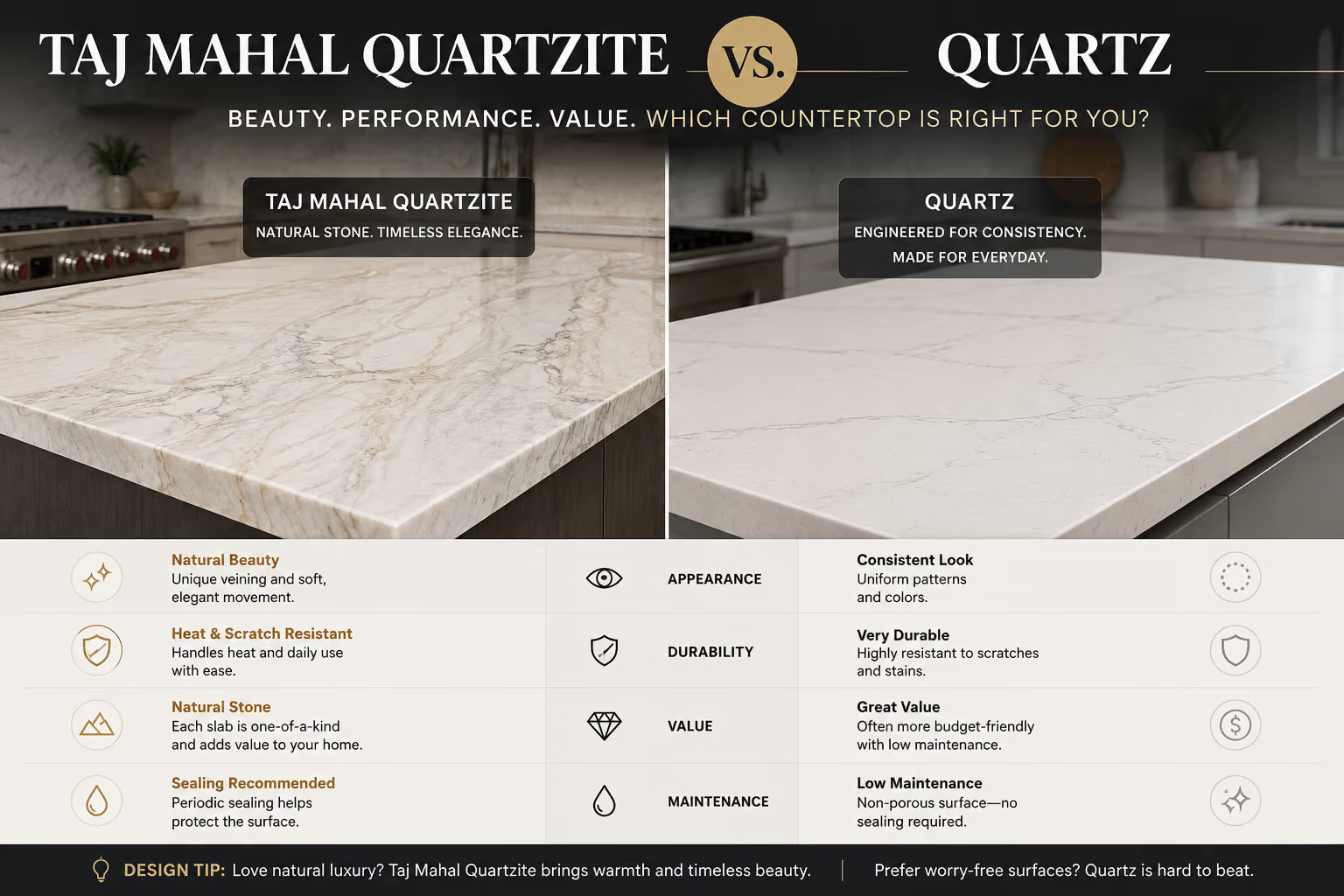
One of the most common misconceptions is that quartzite and quartz are the same material. Although their names sound similar, they are very different.
Taj Mahal quartzite is a natural stone, quarried directly from the earth. Engineered quartz, on the other hand, is a manufactured surface made from crushed stone and resin.
When it comes to pattern, quartzite stands apart. Each slab has a completely unique, natural movement, so no two pieces look exactly alike. Engineered quartz is manufactured to a consistent pattern, which means more uniformity but less individuality.
Quartzite also has the edge on durability in harsh conditions. It offers excellent heat resistance and excellent UV resistance, holding up well even in bright, sun-exposed spaces. Engineered quartz offers good heat resistance, but its UV resistance is limited, making it a poor choice for outdoor use since it can fade or discolor over time.
Maintenance is another point of difference. Quartzite requires periodic sealing to protect its natural porosity. Engineered quartz needs only minimal maintenance, since its manufacturing process makes it naturally non-porous.
In terms of value, quartzite is considered a premium natural stone, prized for its authenticity. Engineered quartz typically falls in the mid to premium range, offering a more budget-flexible option.
For homeowners who prioritize authenticity and unique natural beauty, Taj Mahal quartzite offers a level of character that manufactured surfaces simply cannot replicate.
Is Taj Mahal Quartzite Suitable for Kitchens?
Absolutely.
In fact, kitchens are where this material truly shines.
Its combination of elegance and durability makes it ideal for:
- expansive kitchen islands
- perimeter countertops
- waterfall edges
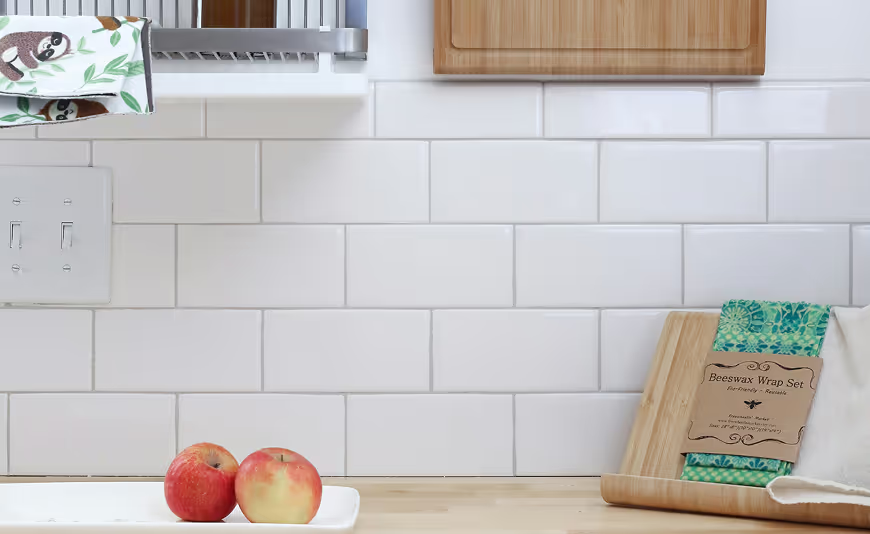
- full-height backsplashes
- coffee stations
- butler's pantries
- baking stations
Because it reflects natural light so well, Taj Mahal quartzite can also make kitchens feel brighter and more spacious—particularly in open-concept homes.
Many homeowners planning a complete renovation choose their countertop before finalizing cabinetry, flooring, and fixtures so that the rest of the design complements the stone rather than competing with it.
A well-planned kitchen remodeling project considers how countertops, cabinets, flooring, lighting, and hardware work together to create a cohesive space rather than treating each element as a separate decision.
How Much Do Taj Mahal Quartzite Countertops Cost?
One of the first questions homeowners ask is whether Taj Mahal quartzite is worth its premium price. While it generally costs more than many granite options and some engineered quartz products, it also offers a combination of natural beauty, durability, and long-term value that many homeowners find worthwhile.
Taj Mahal quartzite typically costs more than engineered quartz because of its rarity and the specialized labor involved in fabricating and installing natural stone. For a mid-size kitchen, homeowners can expect to pay between $80 and $120 per square foot installed, depending on slab thickness, edge profile, and the complexity of the layout. Larger kitchens with waterfall edges or extensive island coverage can push costs toward $130 to $150 per square foot installed once fabrication and sealing are factored in.
Several factors influence the final price. Slab availability plays a role, since Taj Mahal quartzite is quarried in limited supply and premium-grade slabs with the most dramatic veining command a higher price. Edge treatments, cutouts for sinks and cooktops, and seam placement also add to labor costs. Sealing is typically included in the installation price but should be confirmed upfront, since quartzite's natural porosity means it needs to be sealed properly to resist staining.
Grace House Studio helps homeowners understand exactly what drives their project cost before any work begins. During a free in-home consultation, our team walks through slab selection, measures the space, and provides a detailed quote so there are no surprises once installation begins.
While Taj Mahal quartzite sits at a premium price point, many homeowners find the investment worthwhile given its durability, heat resistance, and the fact that no two countertops look exactly alike.
Homes with large kitchen islands, waterfall edges, integrated backsplashes, or custom layouts typically require additional fabrication time and material.
Rather than focusing only on the initial cost, it's worth considering the long-term value. A professionally installed natural stone countertop can remain beautiful for decades, making it an investment in both everyday enjoyment and your home's resale appeal.
If you're comparing multiple surfaces before making a decision, exploring different countertop materials can help you understand how quartzite compares with granite, marble, porcelain, and engineered quartz based on durability, maintenance, and appearance.
Is Taj Mahal Quartzite Good for Bathroom Vanities?
Although it's best known for luxury kitchens, Taj Mahal quartzite is equally impressive in bathrooms.
Its soft neutral colors create a calming atmosphere while adding a refined, upscale look that complements nearly any design style.
Homeowners often choose Taj Mahal quartzite for:
- Double-sink vanities
- Floating vanities
- Powder rooms
- Spa-inspired master bathrooms
- Accent walls
- Shower benches
- Tub surrounds
Because bathrooms experience less wear than kitchens, quartzite countertops often maintain their appearance exceptionally well for many years with routine care.
Pairing Taj Mahal quartzite with warm wood cabinetry, brushed brass fixtures, and large-format porcelain tile creates a timeless design that feels elegant without appearing overly trendy.
Cabinet Colors That Pair Beautifully with Taj Mahal Quartzite
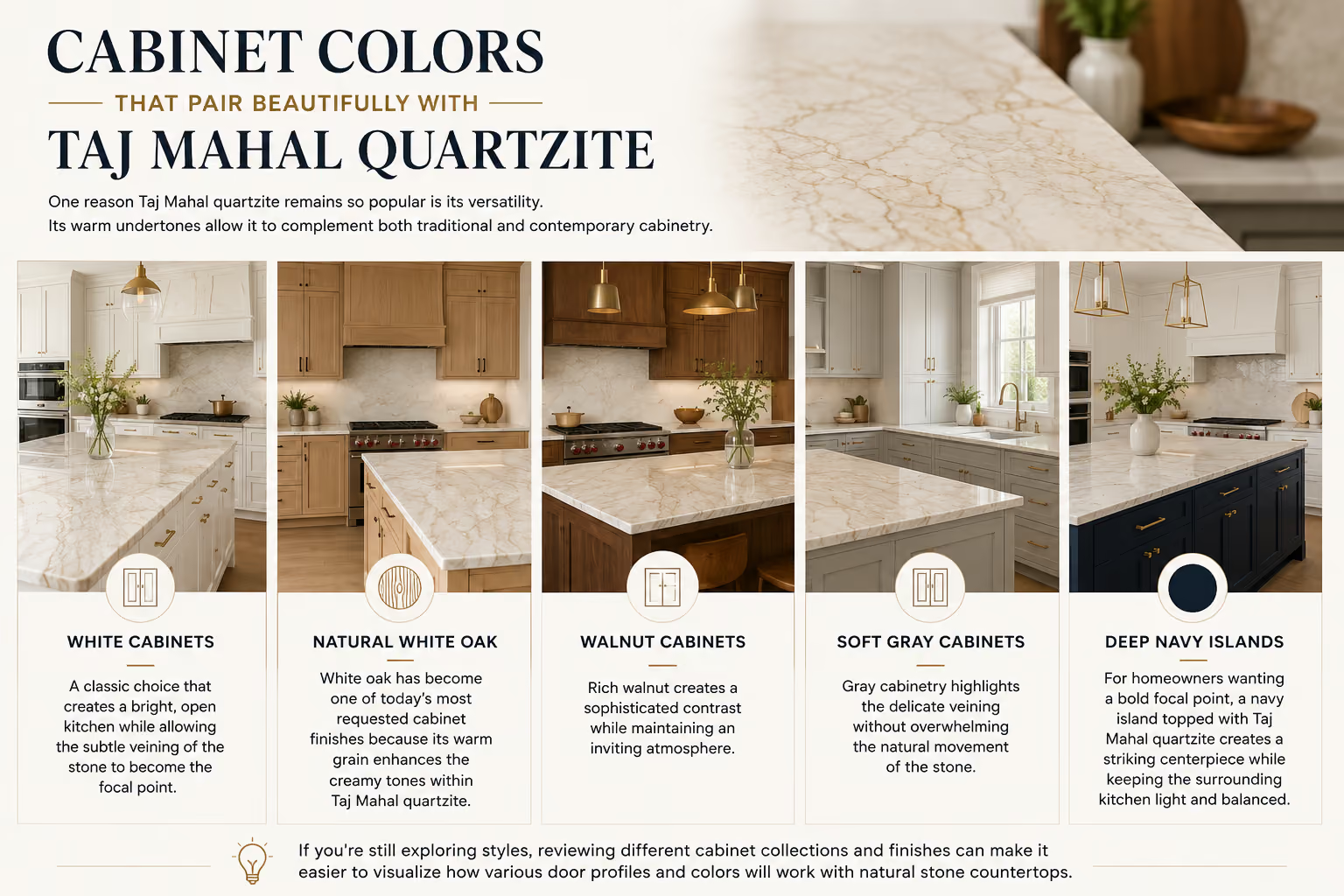
One reason Taj Mahal quartzite remains so popular is its versatility.
Its warm undertones allow it to complement both traditional and contemporary cabinetry.
Some of the most successful combinations include:
White Cabinets
A classic choice that creates a bright, open kitchen while allowing the subtle veining of the stone to become the focal point.
Natural White Oak
White oak has become one of today's most requested cabinet finishes because its warm grain enhances the creamy tones within Taj Mahal quartzite.
Walnut Cabinets
Rich walnut creates a sophisticated contrast while maintaining an inviting atmosphere.
Soft Gray Cabinets
Gray cabinetry highlights the delicate veining without overwhelming the natural movement of the stone.
Deep Navy Islands
For homeowners wanting a bold focal point, a navy island topped with Taj Mahal quartzite creates a striking centerpiece while keeping the surrounding kitchen light and balanced.
If you're still exploring styles, reviewing different cabinet collections and finishes can make it easier to visualize how various door profiles and colors will work with natural stone countertops.
Flooring That Complements Taj Mahal Quartzite
Countertops rarely stand alone. The surrounding flooring plays a major role in creating a cohesive design.
Some excellent flooring choices include:
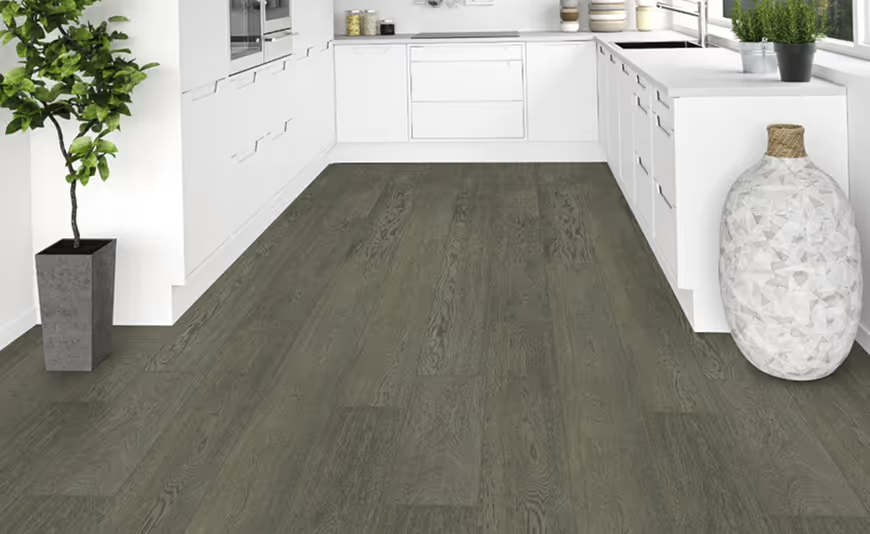
- Wide-plank European white oak
- Luxury vinyl plank with natural wood tones
- Light porcelain tile
- Warm limestone-look tile
- Neutral engineered hardwood
- Large-format matte porcelain flooring
The goal is to support the countertop rather than compete with it.
Overly busy flooring patterns can distract from the natural beauty of Taj Mahal quartzite, while softer textures allow the stone to become the centerpiece of the room.
Selecting flooring at the same time as your countertops and cabinetry often leads to a more harmonious design. Exploring available flooring materials early in the planning process can simplify these decisions.
Choosing Hardware That Complements Taj Mahal Quartzite
Cabinet hardware is one of the finishing touches that ties an entire kitchen together.
Because Taj Mahal quartzite has warm undertones, it pairs beautifully with several finishes.
Popular options include:
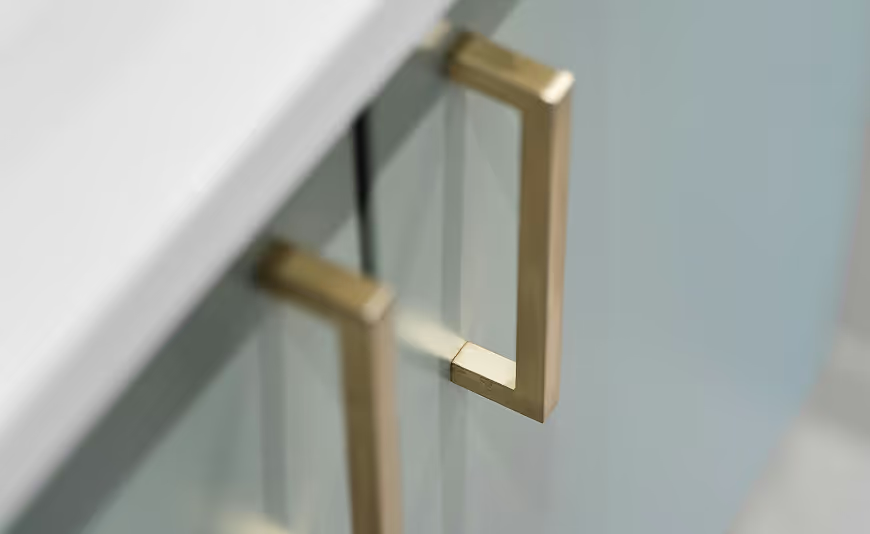
- Brushed brass
- Satin nickel
- Matte black
- Champagne bronze
- Polished nickel
The right hardware should enhance the cabinetry without distracting from the countertop.
Simple, clean-lined pulls tend to complement the stone's understated elegance, while more decorative hardware often works well in traditional kitchens.
If you're selecting finishes for an entire remodel, comparing available cabinet hardware alongside your countertop samples can help create a cohesive design.
Common Mistakes Homeowners Make When Choosing Taj Mahal Quartzite
Assuming Every Slab Looks the Same
Natural stone varies significantly. Even slabs from the same quarry can differ in veining, color, and movement.
Always view the actual slab before making a final selection.
Choosing Based Only on Price
A lower price may reflect differences in slab quality, fabrication standards, or installation experience.
Professional fabrication is especially important for quartzite because of its density and hardness.
Ignoring Overall Kitchen Design
Countertops should complement cabinets, flooring, lighting, backsplash, and hardware.
Planning these elements together produces a more balanced and timeless result than selecting each one independently.
Many homeowners benefit from a professional design consultation before making final material selections. Seeing samples side by side often prevents costly design mistakes and helps create a space that feels cohesive from every angle.
Hiring an Installer Without Natural Stone Experience
Quartzite is considerably harder than many other countertop materials.
Proper measuring, cutting, polishing, seam placement, and installation require specialized equipment and experience.
Working with an experienced remodeling team helps ensure the finished countertop performs as beautifully as it looks.
Is Taj Mahal Quartzite Good for Bathroom Vanities?
Although it's best known for luxury kitchens, Taj Mahal quartzite is equally impressive in bathrooms.
Its soft neutral colors create a calming atmosphere while adding a refined, upscale look that complements nearly any design style.
Homeowners often choose Taj Mahal quartzite for:
- Double-sink vanities
- Floating vanities
- Powder rooms
- Spa-inspired master bathrooms
- Accent walls
- Shower benches
- Tub surrounds
Because bathrooms experience less wear than kitchens, quartzite countertops often maintain their appearance exceptionally well for many years with routine care.
Pairing Taj Mahal quartzite with warm wood cabinetry, brushed brass fixtures, and large-format porcelain tile creates a timeless design that feels elegant without appearing overly trendy.
If you're planning a complete bathroom renovation, browsing available bathroom materials before finalizing your selections helps ensure every element—from countertops to flooring and fixtures—works together seamlessly.

Is Taj Mahal Quartzite Worth the Investment?
For many homeowners, the answer is yes.
If you're looking for a countertop that combines natural elegance with everyday durability, Taj Mahal quartzite offers qualities that few materials can match.
It works especially well for homeowners who:
- Want the appearance of marble with greater durability.
- Plan to stay in their home for many years.
- Appreciate the uniqueness of natural stone.
- Want a timeless design rather than following short-lived trends.
- View remodeling as a long-term investment in both lifestyle and home value.
While the upfront cost is higher than some alternatives, many homeowners find that its durability, classic appearance, and lasting appeal make it a worthwhile investment.
A well-designed kitchen or bathroom isn't built around one material alone. Cabinets, flooring, lighting, hardware, and countertops should all work together. Planning these selections as a complete design often leads to a more functional and visually balanced space.
Frequently Asked Questions About Taj Mahal Quartzite Countertops
Does Taj Mahal quartzite stain easily?
When properly sealed and maintained, Taj Mahal quartzite offers excellent resistance to everyday staining. Promptly cleaning spills and following recommended care guidelines will help preserve its appearance.
Is Taj Mahal quartzite better than marble?
They serve different priorities. Marble is prized for its classic beauty but is generally more susceptible to scratching and etching. Taj Mahal quartzite offers a similar elegant look while providing greater durability for active kitchens and bathrooms.
Can Taj Mahal quartzite be used outdoors?
Yes. Unlike many engineered surfaces, natural quartzite has excellent UV resistance, making it suitable for outdoor kitchens, bars, and entertaining areas when properly installed.
Does every Taj Mahal quartzite slab look the same?
No. Every slab is naturally unique. Variations in veining, crystal formations, and color are part of what makes natural stone so desirable.
What cabinet color looks best with Taj Mahal quartzite?
There isn't one perfect choice. White, white oak, walnut, soft gray, and deep navy all pair beautifully depending on the style you're trying to achieve.
Is Taj Mahal quartzite suitable for bathroom vanities?
Absolutely. Its subtle color palette and durability make it an excellent choice for both primary bathrooms and powder rooms.
Can Taj Mahal quartzite increase home value?
High-quality natural stone countertops are often viewed as a premium feature by buyers. While no remodeling project guarantees a specific return, quality materials installed professionally can enhance both the appeal and perceived value of a home.
Bringing Your Remodeling Vision Together
Choosing Taj Mahal quartzite is about more than selecting a beautiful countertop. It's about creating a kitchen or bathroom that fits the way you live today while continuing to look exceptional for years to come.
Whether you're updating a single vanity, replacing outdated countertops, or planning a complete kitchen transformation, taking time to coordinate your materials, cabinetry, flooring, and finishes will lead to a better result than making each decision independently.
Looking through completed remodeling projects can provide valuable inspiration and help you see how Taj Mahal quartzite works in a variety of home styles and layouts.
If you're a builder, designer, or trade professional sourcing premium materials for residential projects, our contractor resources are designed to support efficient collaboration and high-quality results.
Ready to Explore Taj Mahal Quartzite for Your Home?
Seeing full slabs, comparing finishes, and discussing your goals with experienced remodeling professionals can make the selection process much easier.
Whether you're renovating a kitchen, upgrading a bathroom, or planning a custom home project, Grace House Studio can help you choose materials that balance style, durability, and long-term value.
From initial planning and material selection to fabrication and installation, our team works with homeowners throughout Northern Virginia to create spaces that are both functional and beautifully crafted.
Or, if you're ready to begin your project, contact Grace House Studio to discuss your ideas and request a personalized consultation.

%20%40dnicoledesignstudio.webp)