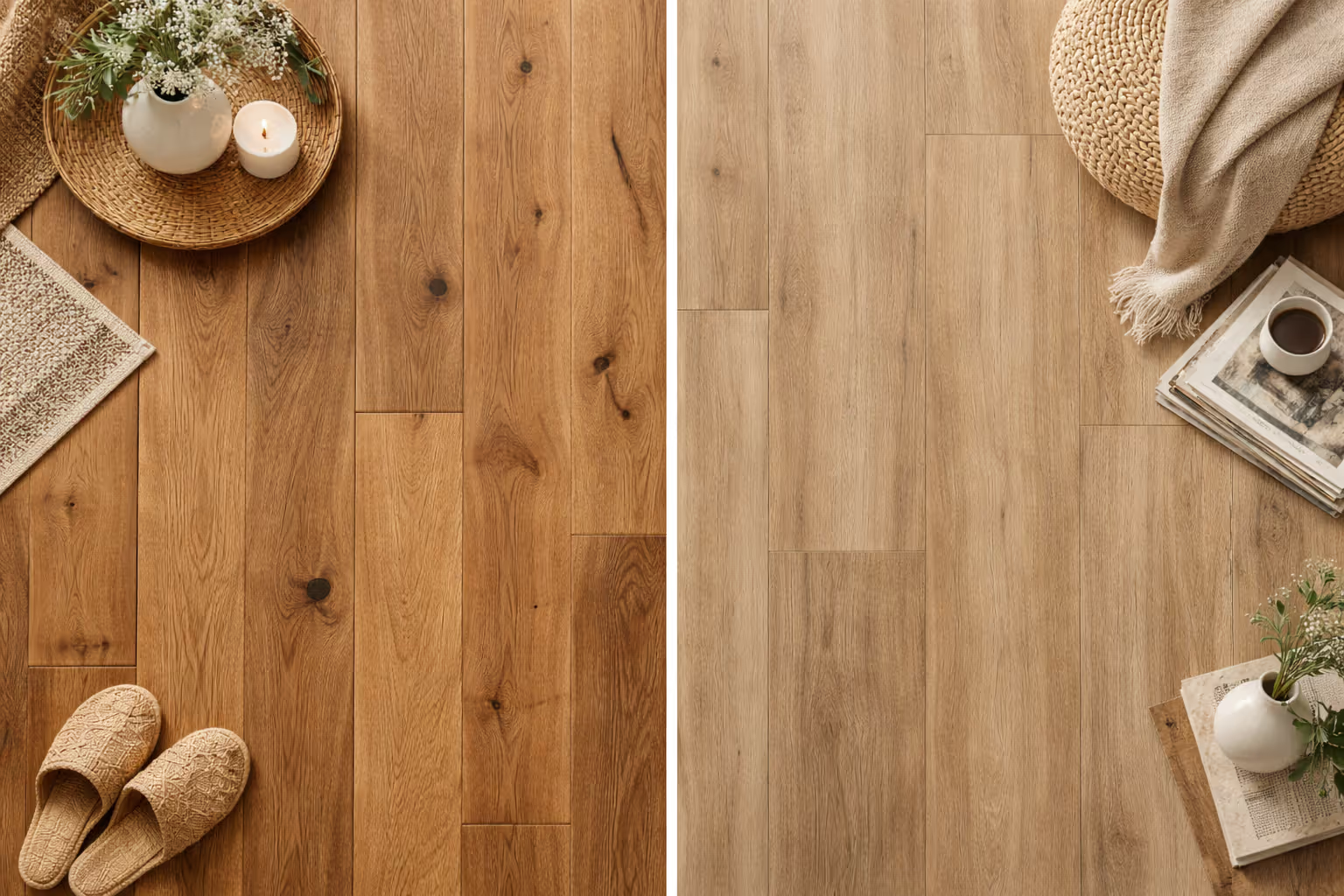
It's one of the most common questions we hear at Grace House Studio: Should I go with hardwood or LVP? Both options look beautiful. Both have passionate advocates. And both can work wonderfully in a Northern Virginia home — depending on your priorities, your lifestyle, and critically, where in your home you're installing them.
This isn't a post designed to push you toward one answer. It's an honest, room-by-room breakdown of how hardwood and luxury vinyl plank (LVP) really compare — on durability, cost, humidity performance, and aesthetics — so you can make the decision that's right for your specific home and family.
First, Let's Define What We're Comparing
When we say hardwood, we mean solid hardwood flooring — planks milled from a single piece of wood, typically oak, maple, or walnut. This is the traditional choice that's been in American homes for centuries.
When we say LVP, we mean luxury vinyl plank — a multi-layer synthetic flooring product engineered to mimic the look of hardwood. Modern LVP is a far cry from the vinyl flooring of decades past. Today's products, including the Everlife® Waterproof Flooring and W™ Genuine Hardwood options we carry at Grace House Studio, are sophisticated, durable, and genuinely beautiful.
There's also a middle-ground option worth mentioning: engineered hardwood, which uses a real wood veneer over a plywood core. It behaves better than solid hardwood in humid conditions but doesn't offer the full waterproofing of LVP. We'll reference it throughout where relevant.
The Northern Virginia Humidity Factor: This Changes Everything
Before we get into cost or aesthetics, we need to talk about climate — because if you live in Northern Virginia, humidity is a factor you cannot ignore when choosing flooring.
The DC/NoVA region experiences hot, humid summers, mild but damp springs and autumns, and cold dry winters. Indoor humidity can swing dramatically between seasons — and solid hardwood is highly sensitive to those swings. Wood expands when it absorbs moisture and contracts when air dries out. Over time, this seasonal movement can cause:
- Cupping — where the edges of planks rise higher than the centre
- Gapping — visible spaces opening between planks in winter
- Warping or buckling — in more severe moisture exposure situations
This doesn't mean hardwood can't work in NoVA homes — it absolutely can, and millions of beautiful homes throughout Alexandria, Arlington, and Fairfax prove it. But it does mean you need to manage your indoor climate carefully with proper HVAC and humidity control, allow for adequate acclimation time before installation, and avoid installing solid hardwood in basements, bathrooms, or kitchens where moisture exposure is high.
LVP, by contrast, is 100% waterproof. The rigid-core SPC (Stone Plastic Composite) construction used in products like our Everlife® Waterproof Flooring doesn't absorb moisture, doesn't expand or contract with humidity changes, and can be installed in basements, kitchens, bathrooms, and laundry rooms without concern. For NoVA homeowners with moisture-prone spaces or anyone who doesn't want to manage indoor humidity as carefully, this is a significant practical advantage.
Verdict on humidity: LVP wins clearly for moisture-prone rooms and high-humidity environments. Hardwood can work throughout the main living areas of a NoVA home with proper climate control and installation.
Durability: How Do They Hold Up Over Time?
Hardwood
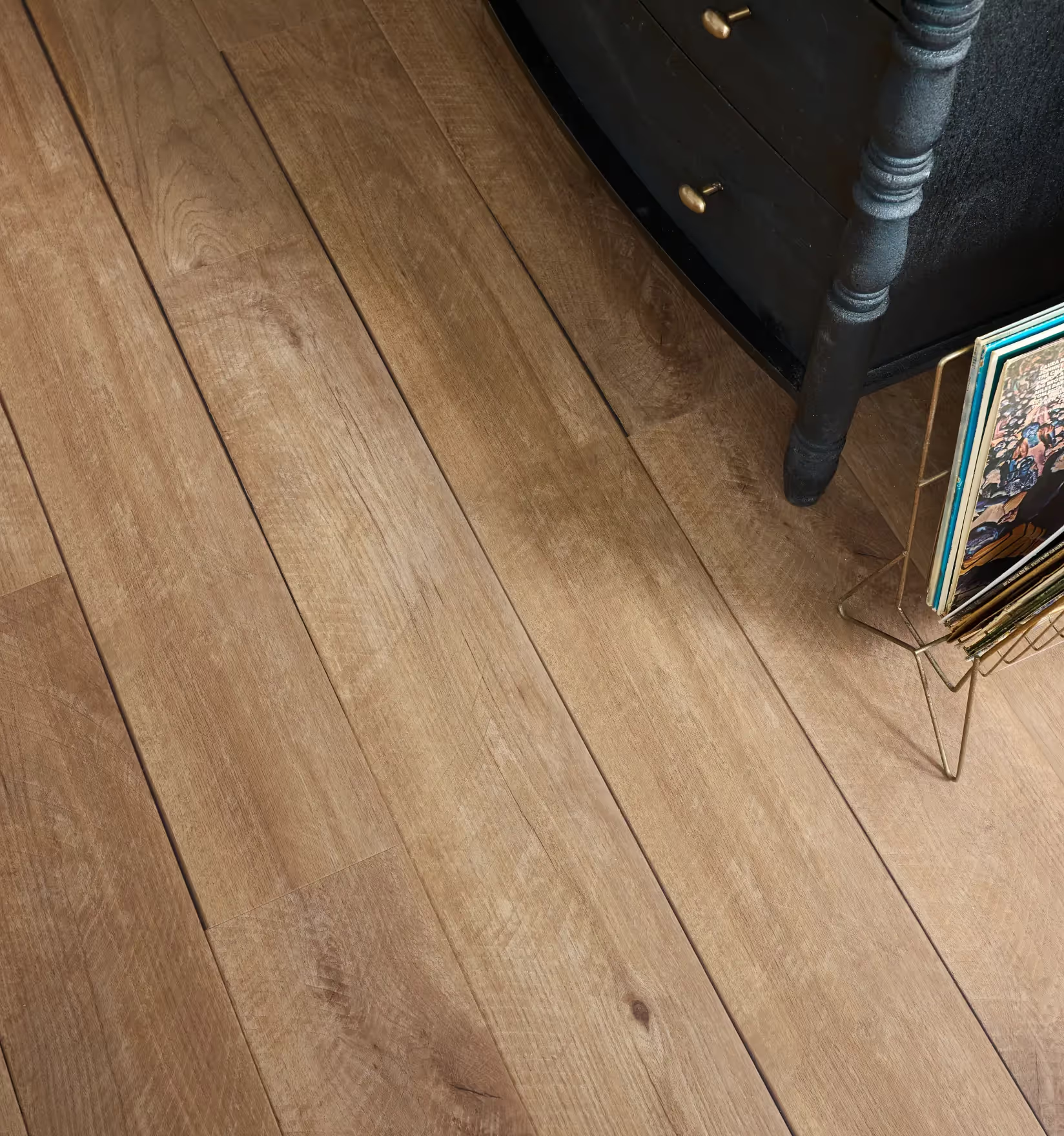
Solid hardwood is exceptionally durable — and uniquely, it can be refinished. When the surface gets scratched, dented, or worn over the years, a hardwood floor can be sanded back and refinished to look completely new. A well-maintained solid hardwood floor can last 50, 75, or even 100+ years. That's a genuinely remarkable lifespan that no synthetic flooring product can match.
The trade-off is that hardwood scratches more easily than LVP, especially in softer wood species. Pets, high heels, and heavy furniture all leave their mark. And while refinishing restores the surface, it does thin the plank slightly — most solid hardwood floors can be refinished 5–8 times over their lifetime before the plank becomes too thin.
LVP
Modern LVP is built with a protective wear layer on top — typically measured in mils (thousandths of an inch). A 12-mil wear layer is standard residential quality; 20-mil and above is considered commercial grade and appropriate for the highest-traffic homes. This wear layer resists scratches, scuffs, and stains very effectively — often better than hardwood on a day-to-day basis.
The limitation of LVP is that it cannot be refinished. When the wear layer eventually degrades — typically after 15–25 years depending on traffic and quality — the floor needs to be replaced rather than restored. That said, the replacement cost is generally lower than hardwood, and quality has improved to the point where many LVP products now carry 25-year or lifetime warranties.
Verdict on durability: Hardwood wins on longevity and refinishability. LVP wins on day-to-day scratch and stain resistance. For families with pets and young children, LVP's wear layer often makes it the more practical short-to-medium-term choice.
Cost: What Are Northern Virginia Homeowners Actually Spending?
Flooring costs vary widely based on material quality, room size, subfloor condition, and installation complexity. That said, here are realistic ballpark ranges for the NoVA market in 2026:
Hardwood
- Material cost: $6–$15+ per square foot depending on species and grade
- Installation: $4–$8 per square foot (requires nailing or stapling to subfloor; more labour-intensive)
- Total installed cost: $10–$23+ per square foot
- Additional consideration: May require subfloor levelling, moisture barriers, and longer acclimation time — all of which add cost
LVP
- Material cost: $2–$8 per square foot depending on quality and wear layer
- Installation: $2–$5 per square foot (floating click-lock installation is faster and simpler)
- Total installed cost: $4–$13 per square foot
- Additional consideration: Can often be installed directly over existing flooring, reducing demo costs
For a typical Northern Virginia home with 500–800 square feet of open-plan living space, the difference between a mid-range hardwood and a premium LVP installation can easily be $5,000–$12,000. That's a meaningful gap — and for many homeowners, the savings achieved by choosing LVP in secondary spaces can be redirected toward a kitchen remodel, bathroom renovation, or upgraded countertops where the visual impact is even more pronounced.
Verdict on cost: LVP is significantly less expensive to purchase and install. Hardwood commands a premium but can add greater long-term value to the home.
Aesthetics: Can You Really Tell the Difference?
This is where conversations get interesting. Five years ago, most design professionals could tell the difference between hardwood and a good LVP product at a glance. Today, that gap has narrowed considerably — but it hasn't closed entirely.
What Hardwood Has That LVP Doesn't
- Genuine grain variation — no two planks are identical; the natural randomness is impossible to fully replicate
- Tactile depth — the surface texture of real wood has a warmth and authenticity that synthetic products approximate but don't quite match
- Ageing character — hardwood develops a patina over decades that many homeowners find deeply beautiful
- Prestige perception — in the Northern Virginia real estate market, solid hardwood is still viewed as a premium material that can meaningfully contribute to resale value
What LVP Has Improved Dramatically
- Photographic realism — modern printing technology means LVP patterns are highly convincing, especially in wider plank formats
- Embossed textures — quality LVP now includes hand-scraped, wire-brushed, and registered emboss finishes that add genuine tactile variation
- Wider and longer planks — the industry has moved to 7", 8", and 9" wide planks that look far more contemporary and convincing than the narrow strips of older vinyl products
- Matte finishes — the shift away from high-gloss finishes has made LVP look considerably more natural and less "plastic"
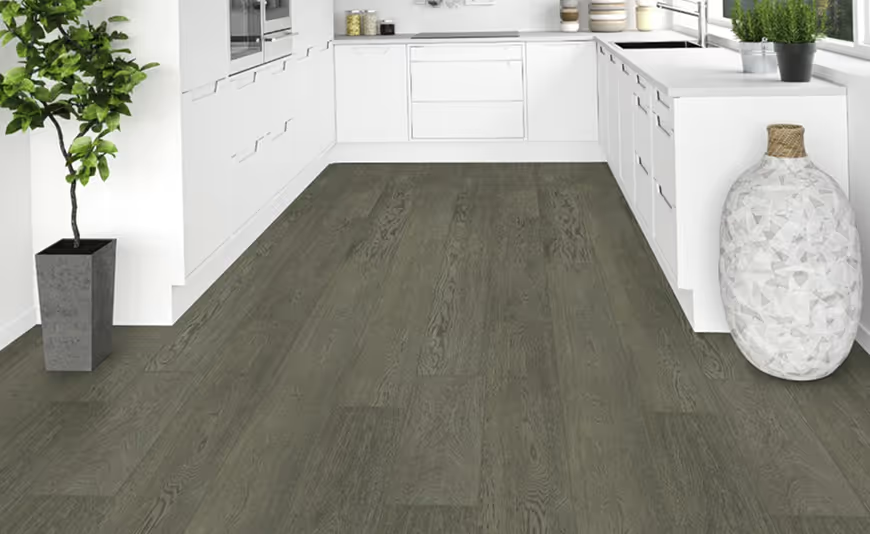
Our flooring collection includes both the W™ Genuine Hardwood line — crafted from 100% European white oak with a scratch- and stain-resistant CrystaLux Ultra™ finish — and premium LVP options across a wide range of wood-look styles, so you can compare both side by side before making a decision.
Verdict on aesthetics: Hardwood wins for authenticity and long-term character. Premium LVP is convincing enough for most homeowners and most rooms — but side by side, the real thing still has an edge.
Room-by-Room Recommendation for NoVA Homes
Living rooms and dining rooms: Either works well. Hardwood is a classic choice here and adds resale appeal. Premium LVP is a strong, budget-conscious alternative.
Bedrooms: Both are excellent. Hardwood adds warmth; LVP is a practical choice for kids' rooms where spills and mess are more likely.
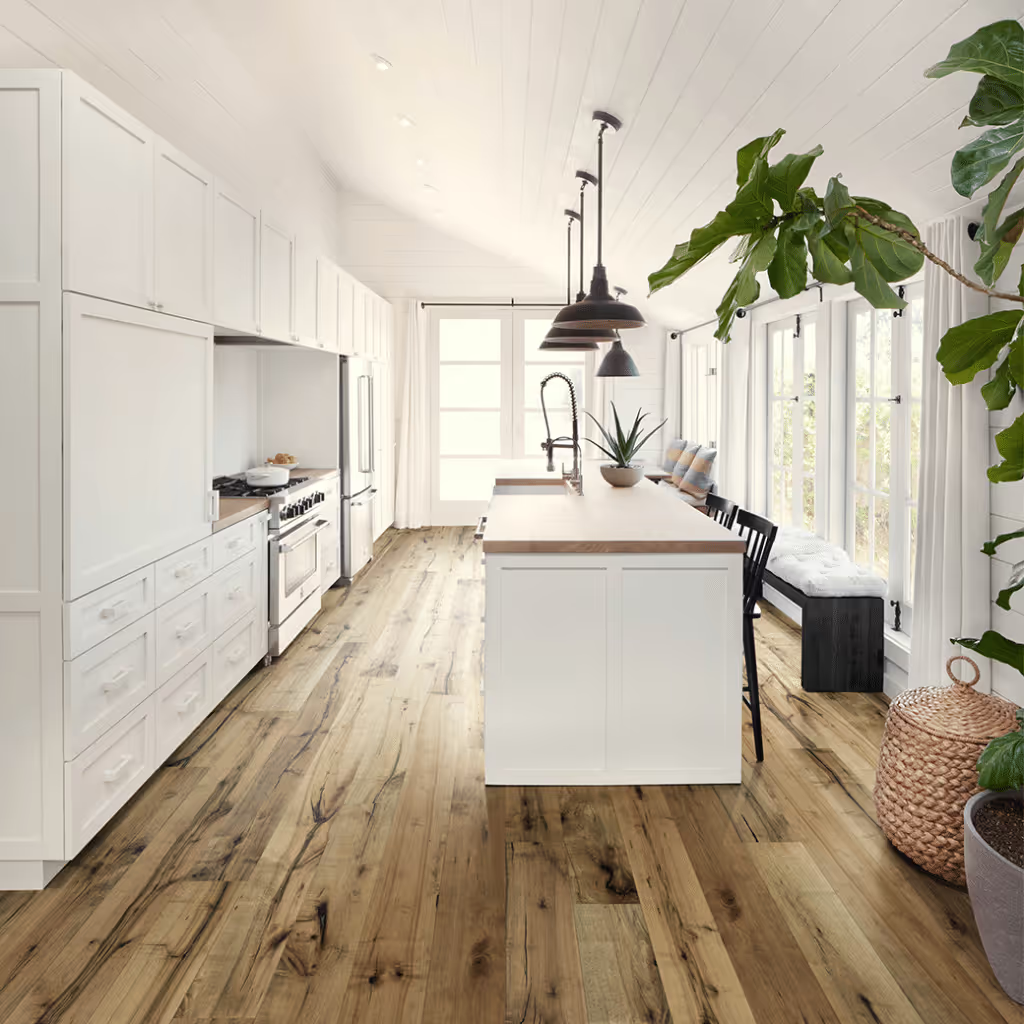
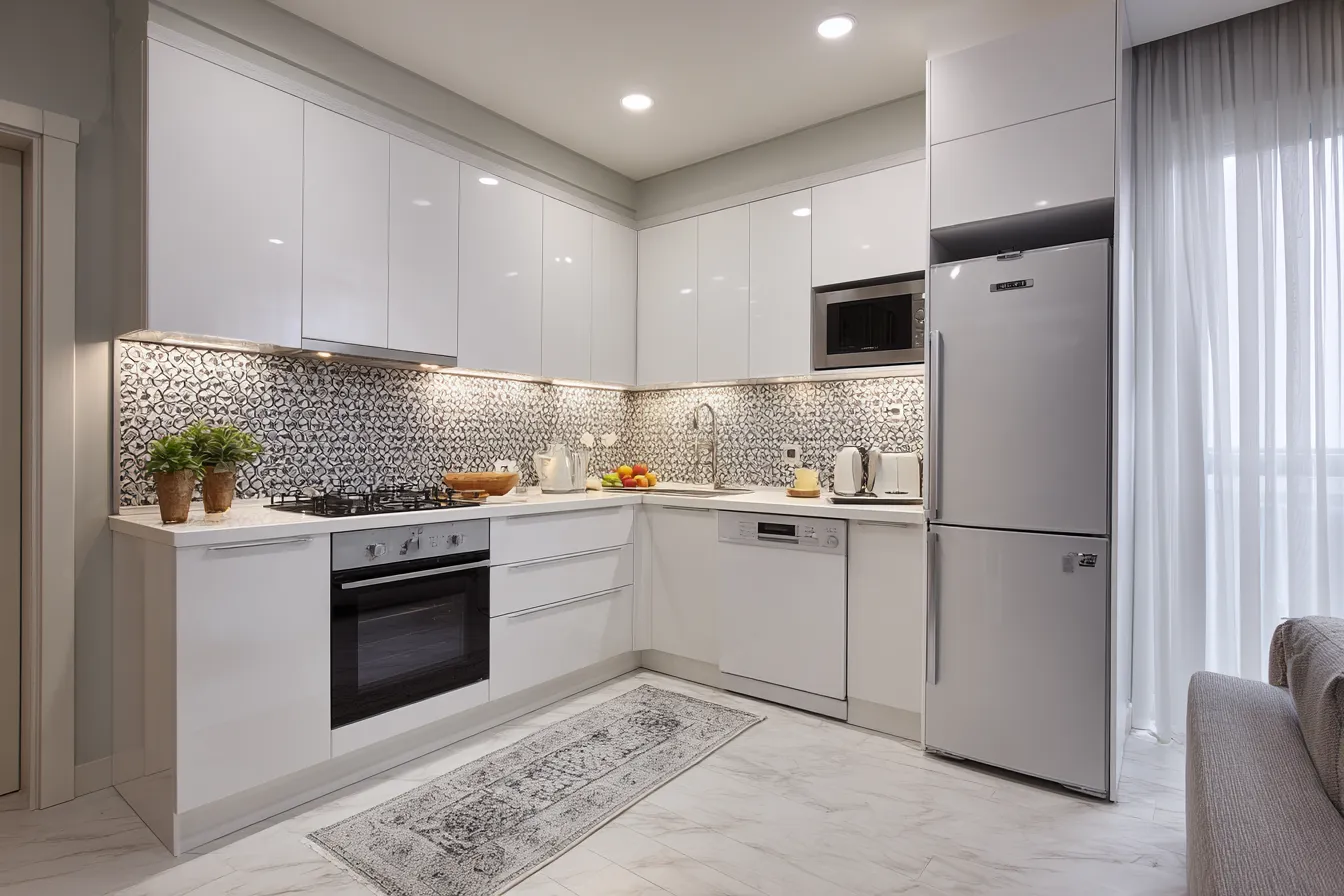
Kitchens: We generally recommend LVP or porcelain tile for NoVA kitchens. The combination of spills, cooking humidity, and foot traffic makes solid hardwood a risk unless you're meticulous about maintenance. Engineered hardwood is a reasonable middle ground if you love the look of wood.
Basements: LVP only. Solid hardwood should never be installed below grade in a NoVA home due to the high risk of moisture issues.
Bathrooms: LVP or tile. Hardwood of any kind is not recommended in bathrooms.
The Bottom Line
Neither hardwood nor LVP is universally the right answer. The best choice depends on your room, your budget, your household, and how long you plan to stay in the home.
If you're renovating your main living areas, have the budget, and want the prestige and longevity of a natural material — solid or engineered hardwood is a beautiful investment. If you're fitting out moisture-prone rooms, working within a tighter budget, or prioritising low maintenance for a busy family — premium LVP delivers exceptional value without sacrificing the look you want.
At Grace House Studio, we help Northern Virginia homeowners navigate exactly this kind of decision — with real samples, honest advice, and the experience of having installed both materials throughout hundreds of homes across Alexandria, Arlington, Fairfax, and beyond. Browse our full flooring collection to explore what we carry, or read our broader guide to the best flooring options for Virginia kitchens and bathrooms for even more detail.
Ready to see both options in person? Book a design consultation or request a visit from our mobile showroom — we'll bring samples directly to your home so you can compare both materials in your actual light and alongside your existing finishes, before you commit to anything.
%20%40dnicoledesignstudio.webp)