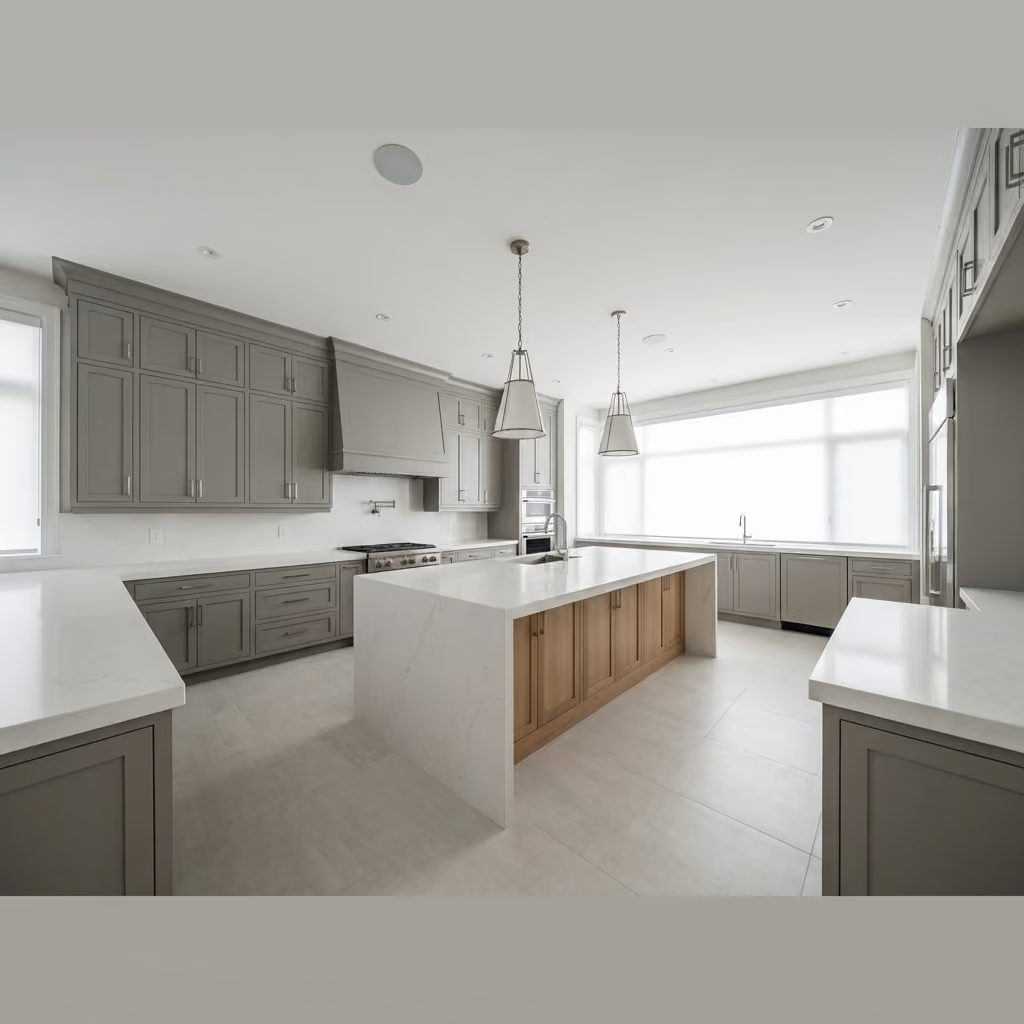
Shaker cabinets remain the most requested door style across our Northern and Central Virginia projects because they solve a problem most other styles don't: they look equally at home in an Old Town Alexandria rowhouse, a Charlottesville farmhouse, and a new build in Loudoun County. Grace House Studio, as a local supplier, fabricator, and remodeler, installs more shaker-style cabinets than any other door profile across our entire service area, and the reasons go back further than most homeowners realize, all the way down to the actual construction measurements that make the style work as well as it does.
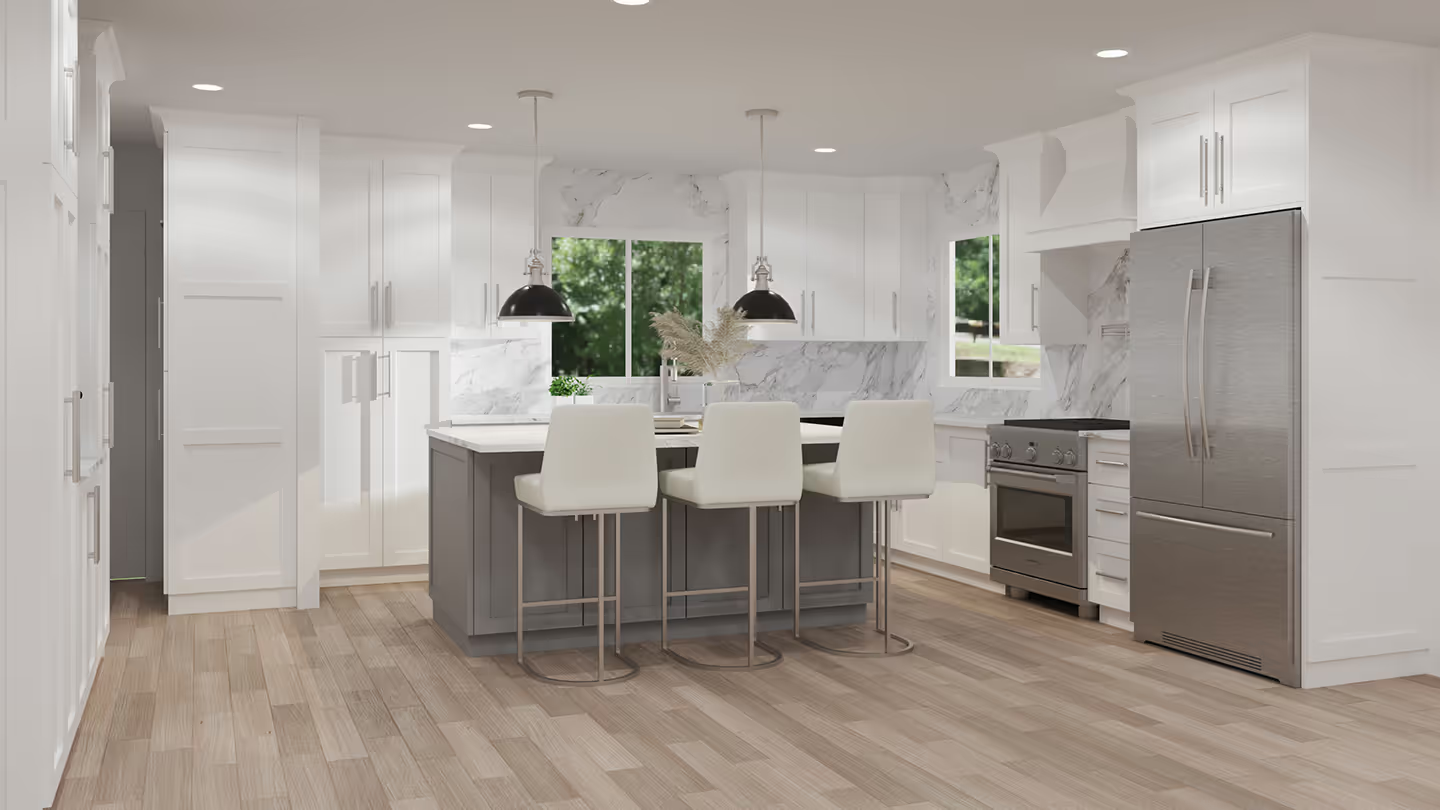
Where Did Shaker Cabinets Actually Come From?
The Shaker style traces back to a religious community of English Quakers who emigrated to America in 1774 and became known as Shakers for the physical movements common in their worship services. Their core beliefs centered on simplicity, utility, and what they considered honesty in materials and craftsmanship, values that showed up directly in the furniture and cabinetry their communities built by hand. Shaker furniture makers believed a well-built object needed no ornamentation to justify its existence, function alone was the design statement. That design philosophy, clean lines, no unnecessary ornamentation, functional above all else, has outlasted the religious communities themselves by well over a century and become one of the most enduring cabinet styles in American homes.
What's notable is how little the style has changed since its origins. A shaker cabinet door built today follows nearly the same proportions and construction logic as a Shaker community's furniture from two centuries ago, which is part of why the style reads as timeless rather than tied to any single design era.
What Makes a Cabinet Door "Shaker Style," Exactly?
A true shaker cabinet door is built from five pieces: four flat rails and stiles forming a simple frame, with a recessed flat center panel. There's no raised detail, no ornamental carving, and no curved profile, just clean, square lines. That construction simplicity is part of why shaker doors work in nearly any kitchen design direction, modern, transitional, or traditional, since the door itself doesn't carry a strong stylistic statement the way a raised panel or heavily detailed door does.
The proportions matter more than most homeowners realize. A shaker door's visual balance comes from the relationship between its frame width and its center panel, not from any decorative element, which is exactly why getting the measurements right is so important to the style actually looking correct once installed.
What Are Standard Shaker Cabinet Measurements You Should Know?
Understanding the actual dimensions behind a shaker cabinet helps you plan a layout and spot a well-built door from a poorly proportioned one. Here's what's standard across most manufacturers:
- Rail and stile width: typically 2 to 2.5 inches, the frame pieces that form the border around the recessed center panel. Narrower rails read as more modern, wider rails lean more traditional
- Door thickness: solid wood shaker doors typically run 3/4 of an inch thick, giving the door enough substance to hold its shape without warping over time
- Center panel setback: the recessed panel typically sits 1/4 to 3/8 of an inch back from the face of the frame, creating the shadow line that gives shaker doors their subtle dimensional look
- Standard base cabinet dimensions: 34.5 inches tall (before the countertop), 24 inches deep, with widths ranging from 9 to 48 inches in 3-inch increments
- Standard wall cabinet dimensions: 12 to 36 inches tall depending on placement, 12 to 24 inches deep, typically mounted 18 inches above the countertop
- Toe kick height: a standard 4 inches, recessed 3 inches from the cabinet face
- Overlay type: most shaker cabinets today use a full overlay construction, where the door covers nearly the entire cabinet box face with only a small 1/8-inch reveal between doors, though partial overlay and inset construction are also available.
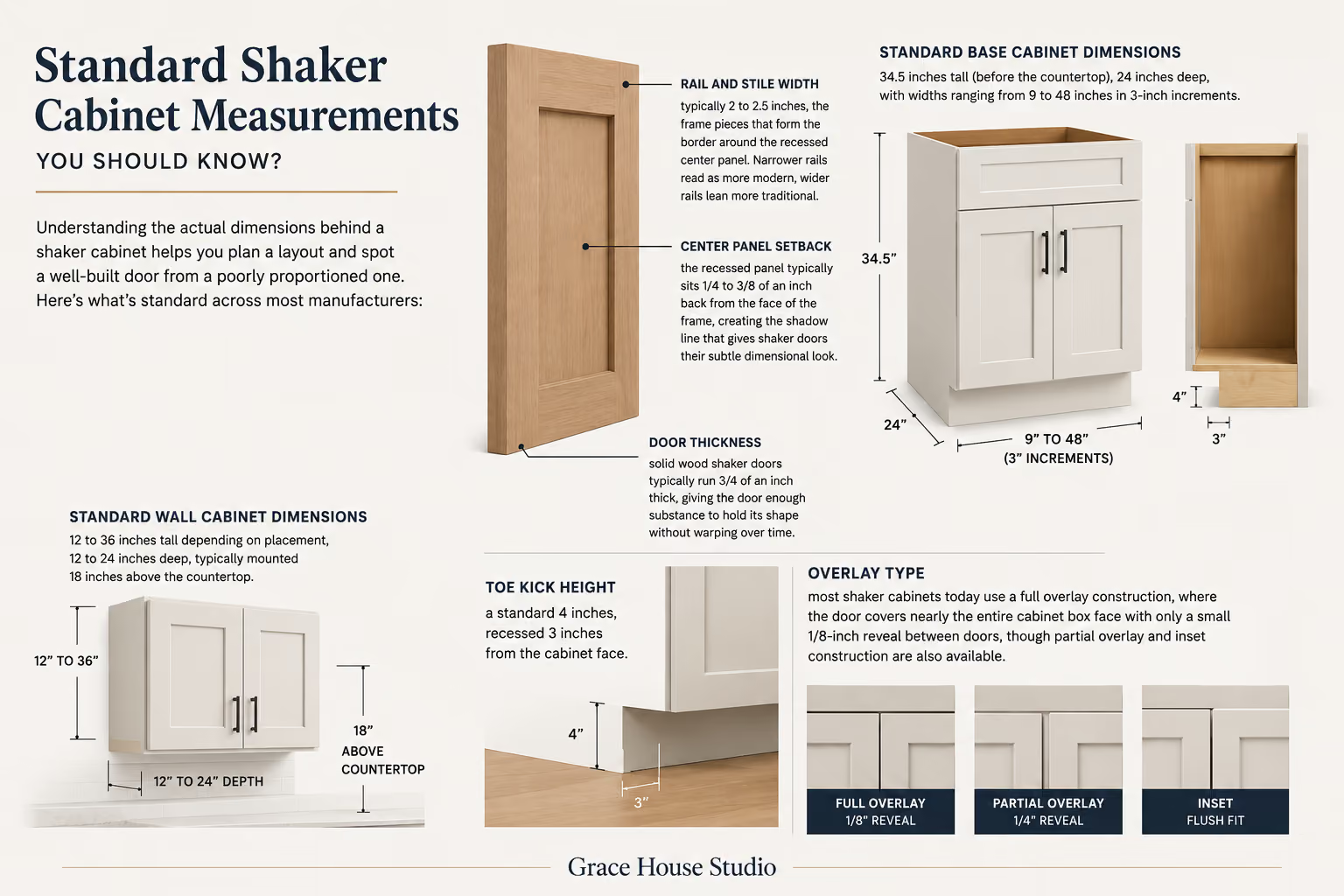
These measurements aren't just technical trivia. They directly affect how much a cabinet costs to produce, how much storage space you actually get, and how the finished kitchen reads visually once installed. A fabricator working from precise, consistent measurements produces a noticeably cleaner result than one cutting corners on rail width or panel setback to save material.
What Are the Different Types of Shaker Door Styles?
"Shaker" isn't a single fixed design, it's a family of related door styles that share the same basic frame-and-panel construction while varying in detail. Here's what's available:
- Standard flat-panel shaker: the classic version, a plain, completely flat center panel within a simple frame, the most widely available and most affordable option
- Beadboard shaker: the center panel includes vertical beadboard grooves rather than a flat surface, adding texture and a slightly more traditional, cottage-style feel
- Slab-shaker hybrid: uses noticeably narrower rails and stiles than a standard shaker door, blurring the line between a true shaker profile and a fully flat slab door, popular in more modern kitchen designs
- Applied molding shaker: a decorative molding profile is applied around the recessed panel, adding a bit more visual detail while keeping the overall shaker structure intact
- Inset shaker: rather than overlaying the cabinet box, the door sits flush within the face frame opening, a higher-cost, more custom construction method that gives a more furniture-like, built-in appearance
- Two-tone shaker: not a distinct door style on its own, but a finish approach where shaker doors on an island or accent piece use a different color or wood species than the surrounding perimeter cabinets
Each variation changes both the cost and the overall feel of the kitchen. A standard flat-panel shaker in stock or semi-custom construction remains the most budget-accessible option, while inset shaker construction and applied molding details push toward the full custom tier.
How Much Do Shaker Cabinets Cost Across Northern and Central Virginia?
Shaker cabinet pricing follows the same linear-foot structure as any cabinet style, but where you're located within our service area does shift the total, mainly through labor cost differences rather than material cost:
- Stock or RTA shaker cabinets: $100 to $300 per linear foot installed
- Semi-custom shaker cabinets: $150 to $650 per linear foot installed, the tier most Virginia homeowners choose
- Full custom or inset shaker cabinets: $500 to $1,200 or more per linear foot installed
For a typical 25 linear foot semi-custom shaker kitchen, here's roughly how that plays out by area:
- Alexandria and Arlington: $3,750 to $16,250, with Arlington condo and high-rise projects sometimes running slightly higher once HOA coordination and building logistics are factored in
- Fairfax and Vienna: $3,750 to $16,500, generally consistent with the broader Northern Virginia range
- Charlottesville: $3,500 to $15,500, reflecting the Charlottesville-Culpeper corridor's somewhat lower typical labor rates
- Culpeper: $3,400 to $15,000
- Madison, Orange, and Louisa: $3,300 to $14,750, sometimes slightly higher if an older farmhouse's uneven walls require more extensive on-site templating
Shaker's construction simplicity keeps it available at every price tier across every one of these areas, which isn't true of every popular style. Grace House Studio's custom fabricated countertops start at $45 per square foot installed, which pairs with shaker cabinetry in either granite, quartz, or marble across our full Northern and Central Virginia service area. Our maple shaker cabinet buying guide breaks down pricing by wood species and finish in more depth.
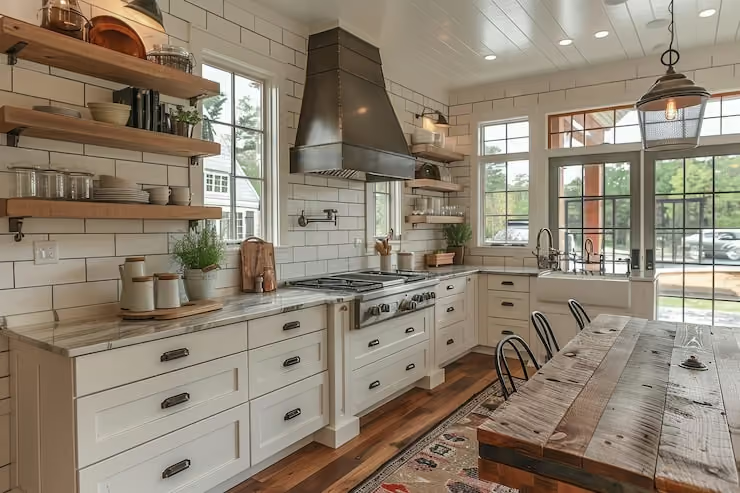
Do Shaker Cabinets Work in Both Modern and Traditional Virginia Homes?
Yes, and that flexibility is the main reason the style hasn't fallen out of favor the way more trend-specific looks eventually do. In an older Alexandria or Charlottesville home with existing traditional trim and architecture, shaker cabinets in a warm wood tone or classic white read as an appropriate, timeless choice. In a newer Loudoun County build with cleaner architectural lines, the same door style in a flat matte finish with minimal hardware reads as contemporary. Few other cabinet door styles bridge that range as naturally.
The measurements play a role here too. A shaker door with wider rails and a deeper panel setback tends to lean more traditional, while narrower rails and a shallower setback read more modern, which means the same basic style can be tuned toward either direction just by adjusting proportions rather than switching to an entirely different door profile.
Are Shaker Cabinets Still the Safest Choice for Resale Value?
Generally yes. Shaker doors form the foundation of transitional kitchen design, which industry data continues to show as the most broadly popular kitchen style among buyers, well ahead of more polarizing options like heavily ornamented traditional doors or fully slab-front modern cabinetry. A neutral shaker kitchen tends to appeal to the widest range of potential buyers if resale is any part of your decision-making, which is part of why it remains the default recommendation for homeowners uncertain about committing to a bolder style.
This holds true across both Northern and Central Virginia markets, even though the buyer pools differ somewhat, Northern Virginia's faster-moving, higher-density market and Central Virginia's more varied mix of historic and rural properties both consistently favor a well-executed shaker kitchen over a more polarizing style choice.
What Hardware and Finish Combinations Work Best With Shaker Cabinets?
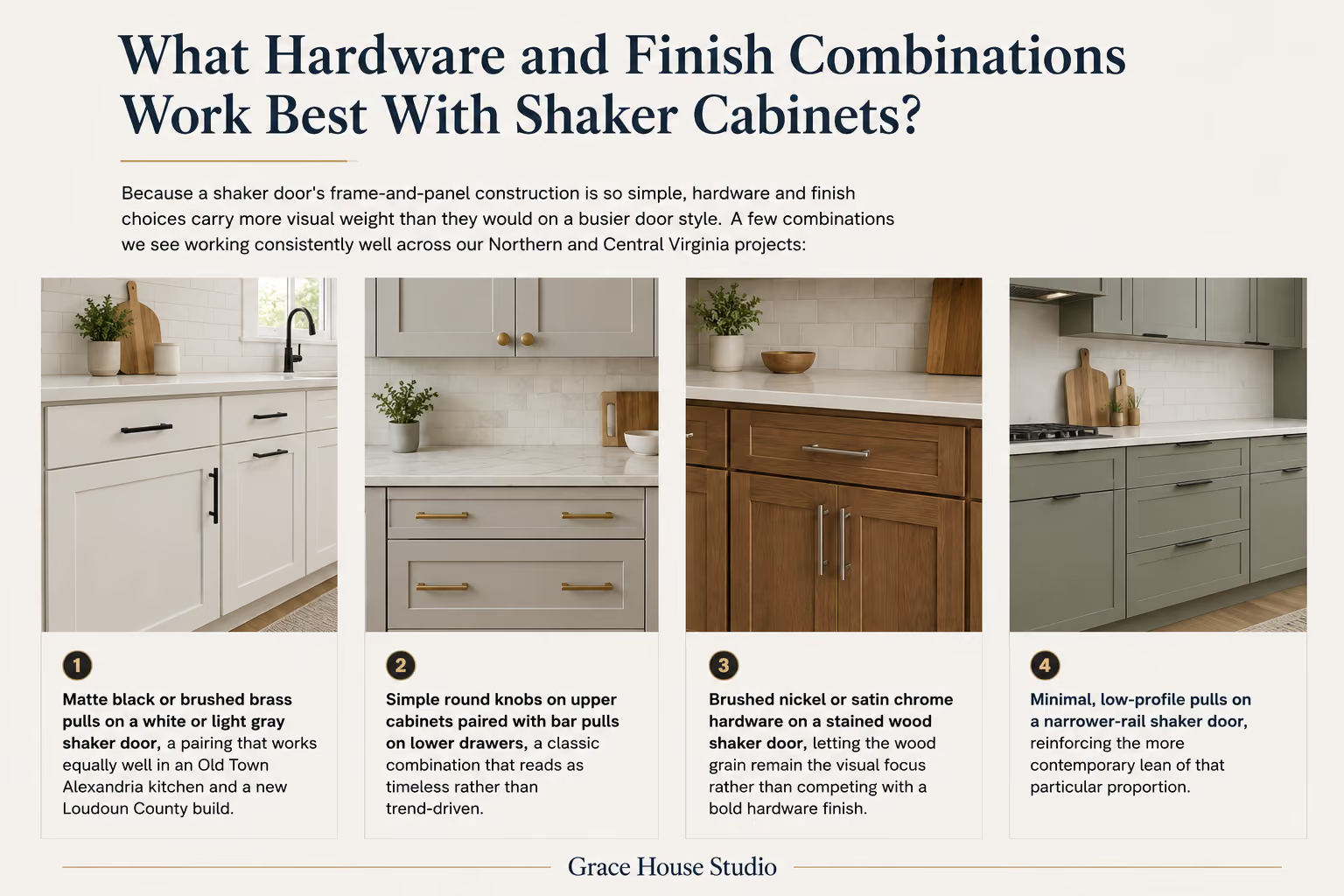
Because a shaker door's frame-and-panel construction is so simple, hardware and finish choices carry more visual weight than they would on a busier door style. A few combinations we see working consistently well across our Northern and Central Virginia projects:
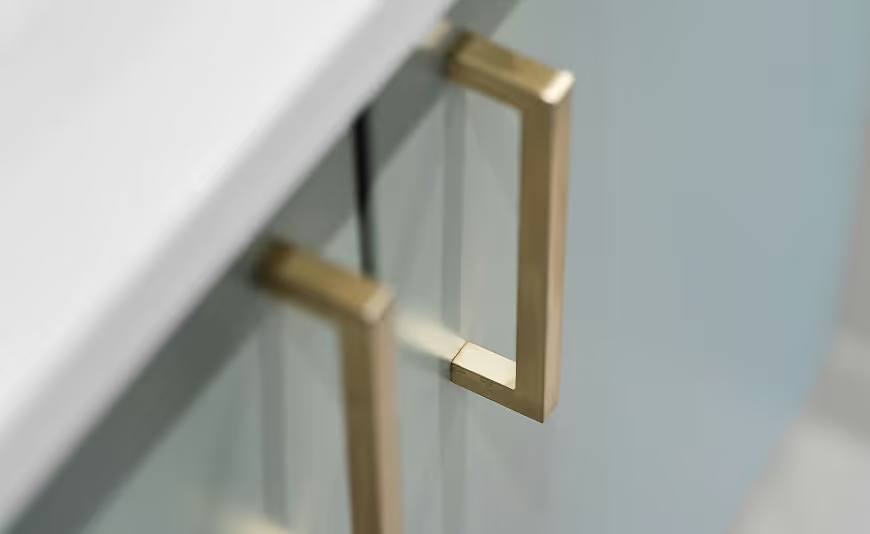
- Matte black or brushed brass pulls on a white or light gray shaker door, a pairing that works equally well in an Old Town Alexandria kitchen and a new Loudoun County build
- Simple round knobs on upper cabinets paired with bar pulls on lower drawers, a classic combination that reads as timeless rather than trend-driven
- Brushed nickel or satin chrome hardware on a stained wood shaker door, letting the wood grain remain the visual focus rather than competing with a bold hardware finish
- Minimal, low-profile pulls on a narrower-rail shaker door, reinforcing the more contemporary lean of that particular proportion
Care for a shaker cabinet is generally straightforward regardless of finish. A painted shaker door should be wiped with a soft cloth and mild cleaner, avoiding abrasive scrubbing that can wear through the finish at edges and corners over time. A stained wood shaker door benefits from an occasional wood-safe conditioning treatment to keep the grain from drying out, particularly in homes without consistent year-round climate control. In either case, the recessed panel and square-edged frame of a shaker door are easier to keep clean than a heavily carved or raised-panel alternative, since there are fewer grooves and crevices for dust and grease to collect in.
Grace House Studio's Shaker Cabinet Installations Across Virginia
Grace House Studio installs shaker cabinetry across Northern Virginia and the Charlottesville-Culpeper corridor, sourcing cabinets direct from the manufacturer in a wide range of wood species, door variations, and finishes. Our Alexandria complete kitchen transformation and our Alexandria and Arlington cabinet guides go deeper into how the style applies to specific Northern Virginia housing types, and our base, wall, and pantry cabinet guide covers how standard measurements come together into a full layout.
Clients rarely need to be convinced shaker is a good option, most already have it on their shortlist. The more common conversation is which specific door variation, wood species, and hardware combination to pair with it, since the base style is really just the starting point for the rest of the kitchen's design direction. A homeowner in an Old Town Alexandria rowhouse and a homeowner in a Madison County farmhouse might both choose shaker cabinets, but land on very different rail widths, finishes, and hardware to make the style feel native to their specific home.
"Shaker works because it gets out of the way," said Grace House Studio's lead designer. "It lets the wood species, the color, and the hardware do the talking, instead of the door profile itself competing with everything else in the room. But the measurements still matter enormously, a shaker door with the wrong proportions looks noticeably off, even to someone who couldn't tell you exactly why."
Get Your Shaker Cabinet Quote
A free in-home consultation is the best way to price shaker cabinetry for your specific Virginia kitchen, since our team measures your layout, reviews wood species and door variation samples on-site, and builds a quote reflecting your exact location within our Northern and Central Virginia service area. Book a free in-home consultation with Grace House Studio to get started.
Frequently Asked Questions
What's the actual difference between a shaker door and a flat-panel or slab door?
A shaker door has a recessed center panel within a simple frame, typically with 2 to 2.5-inch rails and stiles, while a flat-panel or slab door is a single, completely flat surface with no frame or recessed detail at all.
Are shaker cabinets more affordable than other cabinet door styles?
Shaker is generally one of the most widely available styles at every price tier, from stock to full custom, which often makes it more budget-accessible than styles requiring more specialized construction.
Do shaker cabinets work well in a small Northern Virginia kitchen?
Yes, the style's clean, simple lines don't visually compete with a small space the way a more ornamented or heavily detailed door style can, and narrower rail widths can make the style read even lighter in a compact layout.
What wood species pairs best with shaker cabinet doors?
Maple, white oak, and painted MDF or poplar are the most common choices for shaker doors, though the style works with nearly any wood species or painted finish.
Is shaker style considered modern or traditional?
Neither exclusively. Shaker's simple construction allows it to read as modern, transitional, or traditional depending on rail width, panel setback, finish, hardware, and surrounding kitchen design.
How long have shaker cabinets been a popular choice in home design?
The style traces back to the late 18th century, and it has remained a consistently popular choice in American homes for well over two centuries.
Does the cost of shaker cabinets vary much between Northern and Central Virginia?
Yes, modestly, primarily due to labor rate differences. A semi-custom shaker kitchen in the Charlottesville-Culpeper corridor typically runs slightly less than the same project in Alexandria or Arlington, mainly reflecting regional labor cost rather than material pricing.
What's the difference between overlay and inset shaker doors?
Overlay doors sit on top of the cabinet frame and are the more common, more affordable option, while inset doors sit flush within the frame for a more custom, furniture-like look at a higher cost.
Can shaker cabinets be painted a bold color, or do they only work in neutrals?
Shaker doors take paint well in any color, though neutral tones remain the most popular choice specifically because of their broader resale appeal.
How do I get a quote for shaker cabinets in my Virginia kitchen?
The fastest way to get a firm quote is booking a free in-home consultation, where Grace House Studio measures your kitchen and reviews wood species, door variation, and finish samples before providing a written estimate specific to your location.
.jpeg)
%20%40dnicoledesignstudio.webp)