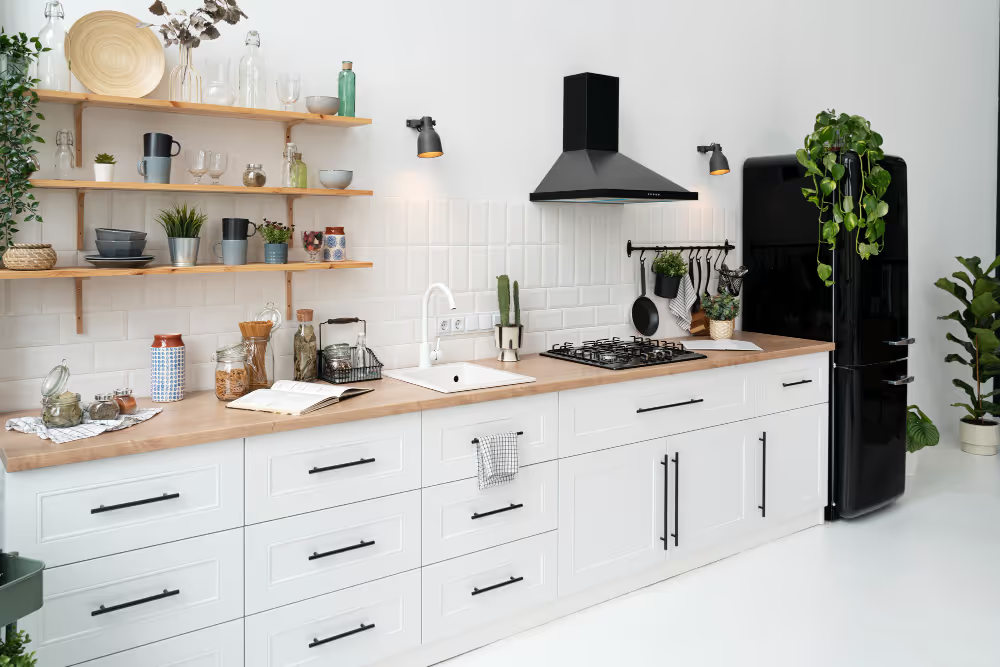
The kitchen cabinet color you choose sets the entire tone for your space. It's one of the most impactful design decisions you'll make during a renovation. Today, we're diving deep into two popular but vastly different choices: classic white cabinets and increasingly popular green cabinets.
At Grace House Studio, we help homeowners navigate these decisions daily. Whether you're drawn to crisp, timeless white or the organic warmth of green, understanding each option's strengths will help you create a kitchen you'll love for years to come.
The Case for White Kitchen Cabinets
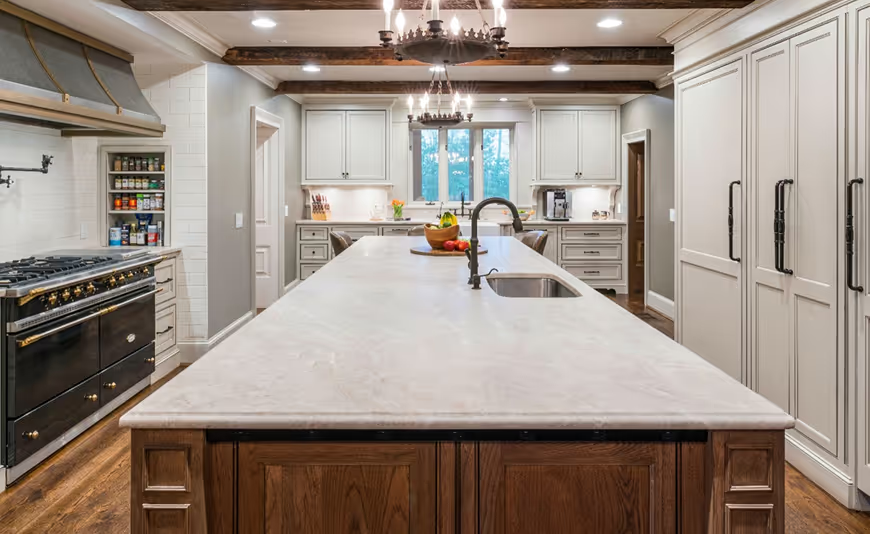
White cabinets have dominated kitchen design for decades, and for good reason.
Why White Works:
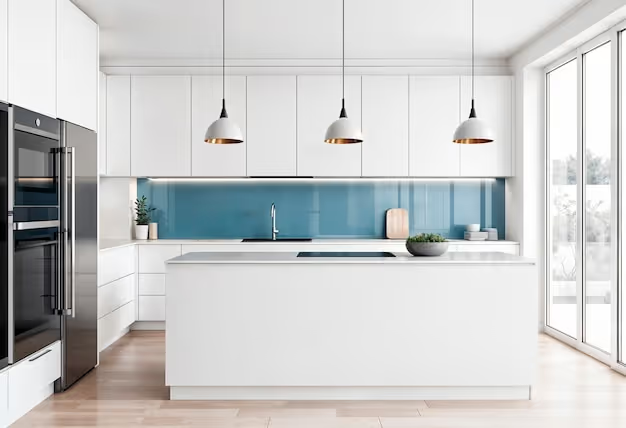
White cabinets create an illusion of spaciousness that's particularly valuable in smaller kitchens. They reflect light beautifully, making even dimly-lit spaces feel bright and airy. This light-reflective quality also means you'll use less artificial lighting during the day, a subtle but welcome energy benefit.
The versatility of white is unmatched. It serves as a neutral canvas that allows you to experiment with bold backsplashes, colorful appliances, or statement lighting without visual chaos. Want to change your kitchen's accent colors in a few years? White cabinets adapt effortlessly.
White also delivers a clean, sanitary appearance that many homeowners associate with professional kitchens. There's something psychologically satisfying about a pristine white kitchen, it feels fresh, organized, and inviting.
From a resale perspective, white cabinets are the safe bet. They appeal to the broadest range of buyers and photograph beautifully for listings. Real estate professionals consistently report that white kitchens help homes sell faster.
The White Cabinet Challenges:
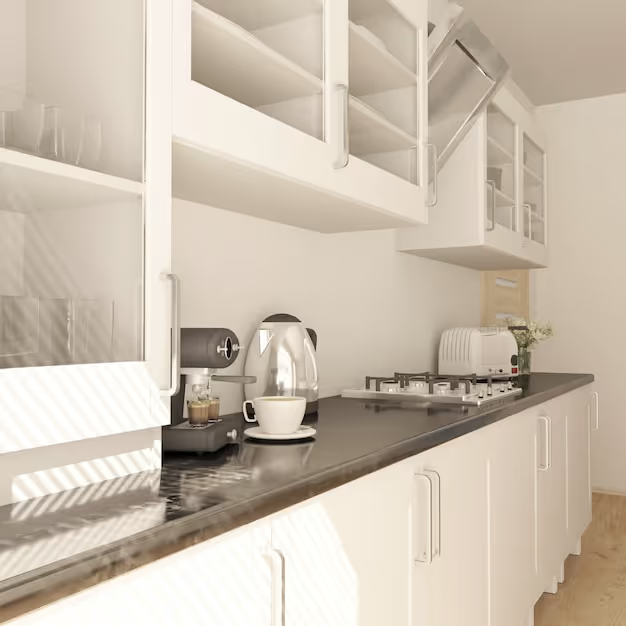
Let's be honest about the downsides. White shows everything - fingerprints, grease splatters, and dust become immediately visible. If you have young children or you're not diligent about wiping surfaces, white cabinets require more frequent cleaning than darker alternatives.
There's also the risk of sterility. Without thoughtful design elements: warm wood tones, textured backsplashes, or interesting hardware, all-white kitchens can feel cold and clinical, like a laboratory rather than a gathering space.
Some homeowners also worry about white feeling "too common" or lacking personality. While white is classic, it's also everywhere, which can make your kitchen feel less distinctive.
%20%40dnicoledesignstudio.avif)
The Case for Green Kitchen Cabinets
Green cabinets have surged in popularity over the past few years, and this trend shows no signs of slowing down.
Why Green Is Gaining Ground:
Green connects us to nature, creating an organic, calming atmosphere in the kitchen. Studies show that green environments reduce stress, a welcome quality in the often-hectic kitchen space.
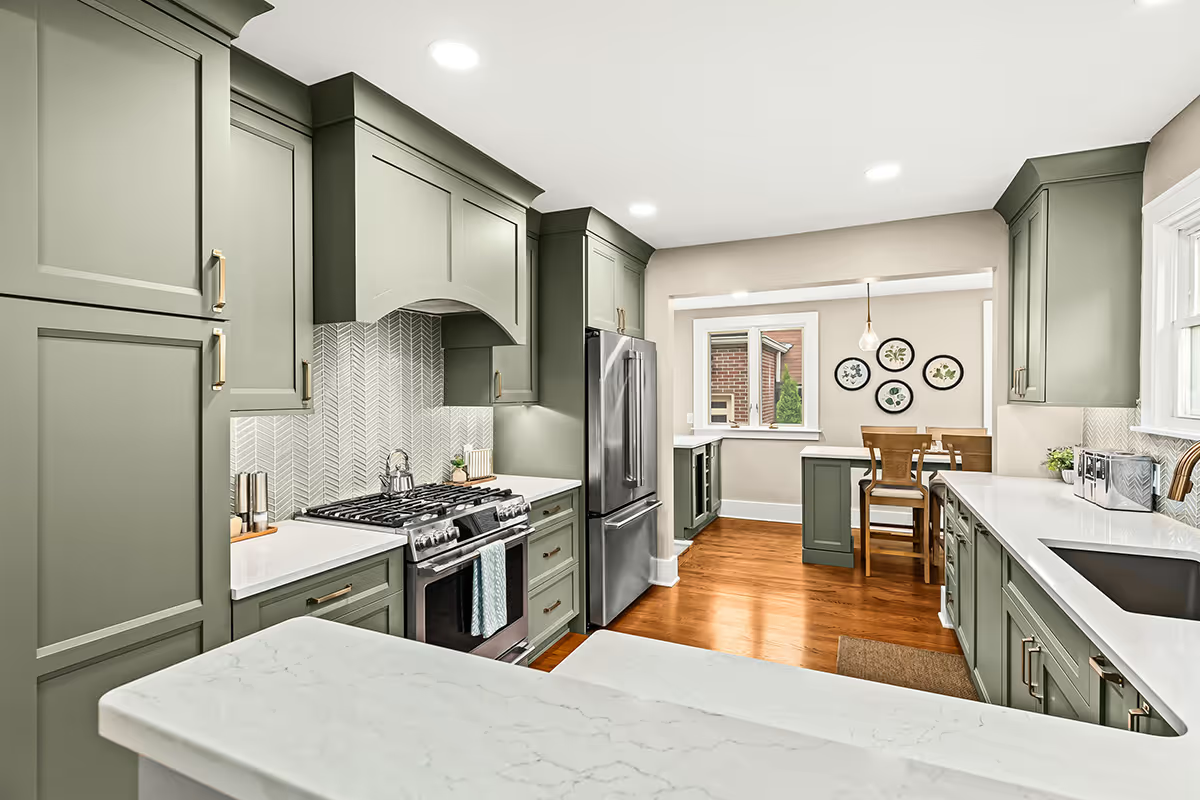
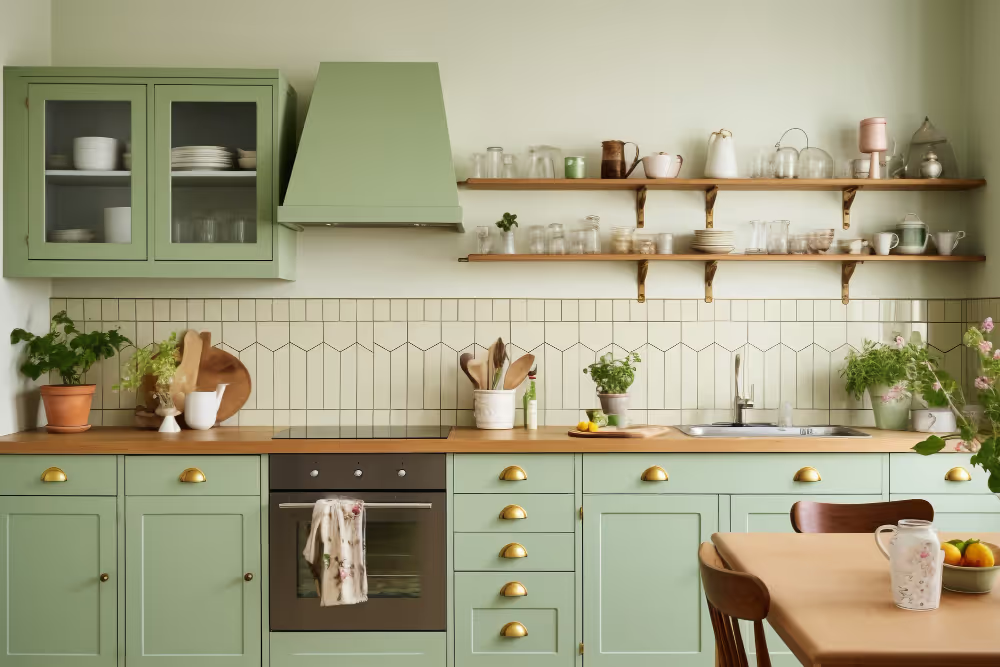
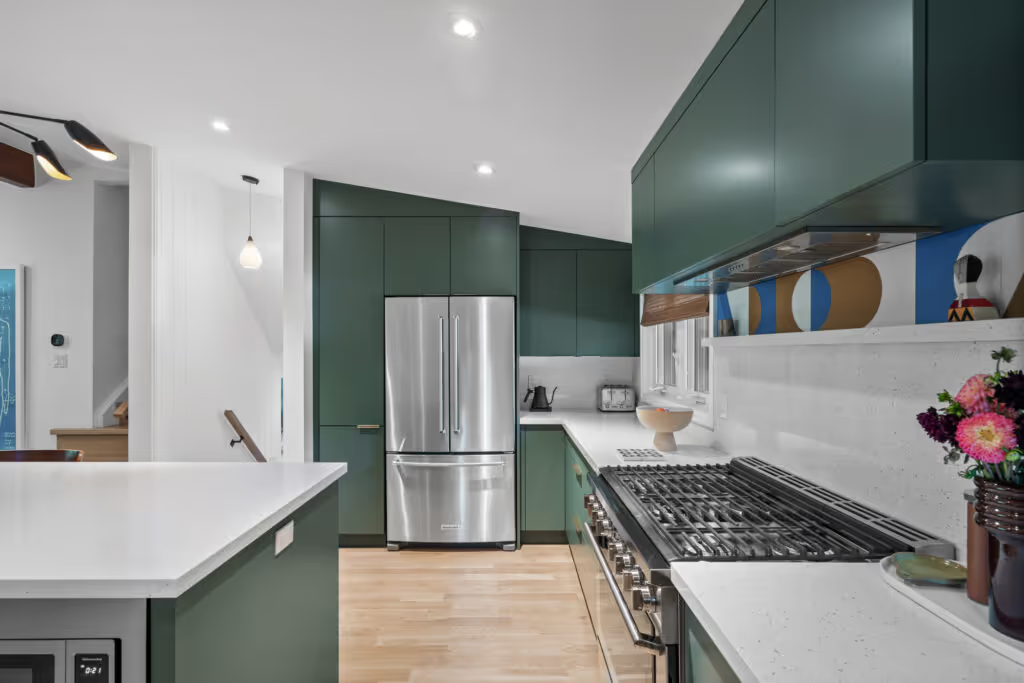
The color offers remarkable versatility across shades. Sage green delivers subtle sophistication, forest green makes bold statements, olive green adds earthy warmth, and mint green brings playful energy. Each shade creates an entirely different mood, allowing you to express your personality.
Green cabinets pair beautifully with natural materials. Combine them with butcher block countertops, brass hardware, marble backsplashes, or wood flooring, and you create a layered, sophisticated space that feels both timeless and current.
Unlike trend-chasing colors that date quickly, green has historical precedent. Victorian and colonial-era kitchens often featured green elements, giving the color a heritage quality that transcends mere trends.
Green also provides the perfect middle ground between neutral and colorful. It makes a statement without overwhelming the space, offering personality while maintaining enough neutrality to work with various design elements.
The Green Cabinet Considerations:
Choosing the right green is crucial. The wrong shade can clash with your lighting, flooring, or countertops. What looks perfect in a showroom might read too yellow or too blue in your specific space. We always recommend viewing large samples in your actual kitchen lighting before committing.
Green cabinets also require more thoughtful coordination of other design elements. While white works with almost anything, green demands consideration of undertones and complementary colors throughout the space.
From a resale perspective, green is more polarizing than white. While design-savvy buyers may love it, conservative buyers might see it as something they'd need to change, potentially affecting your home's appeal to some market segments.
Design Tips for Each Choice
Maximizing White Cabinets:
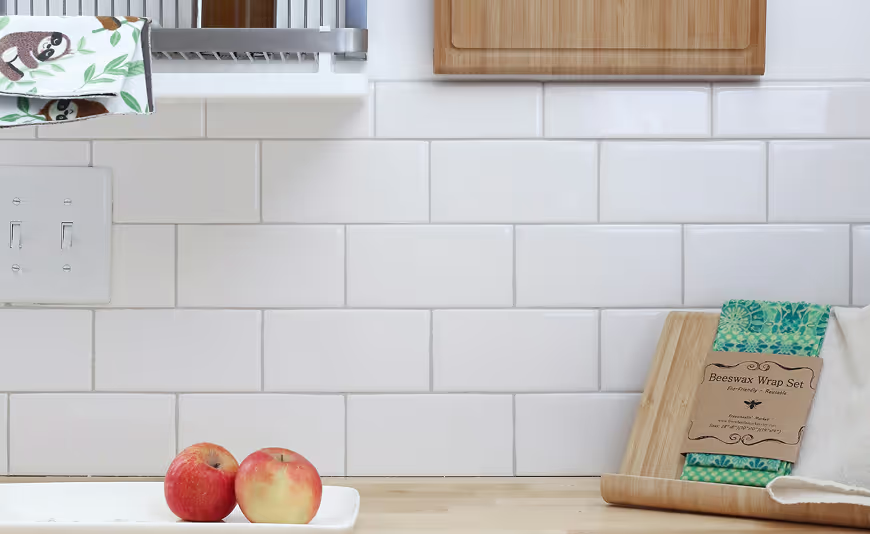
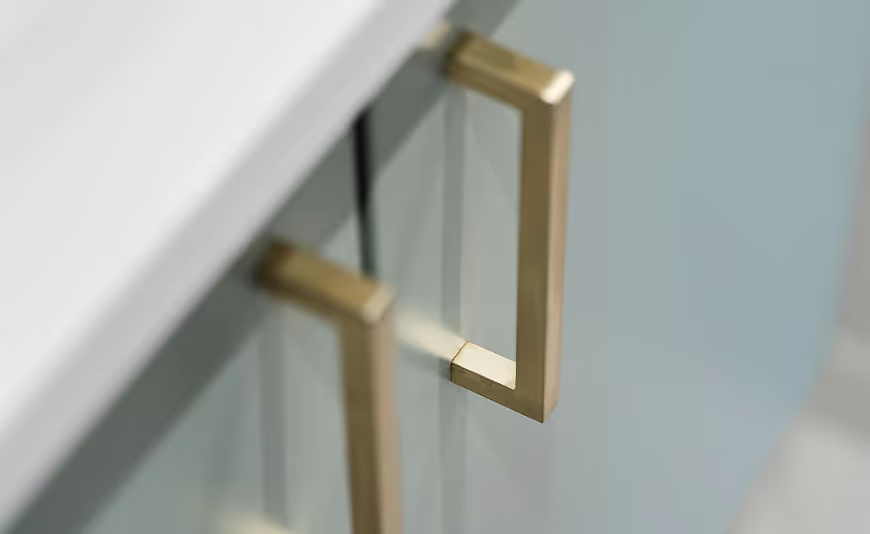
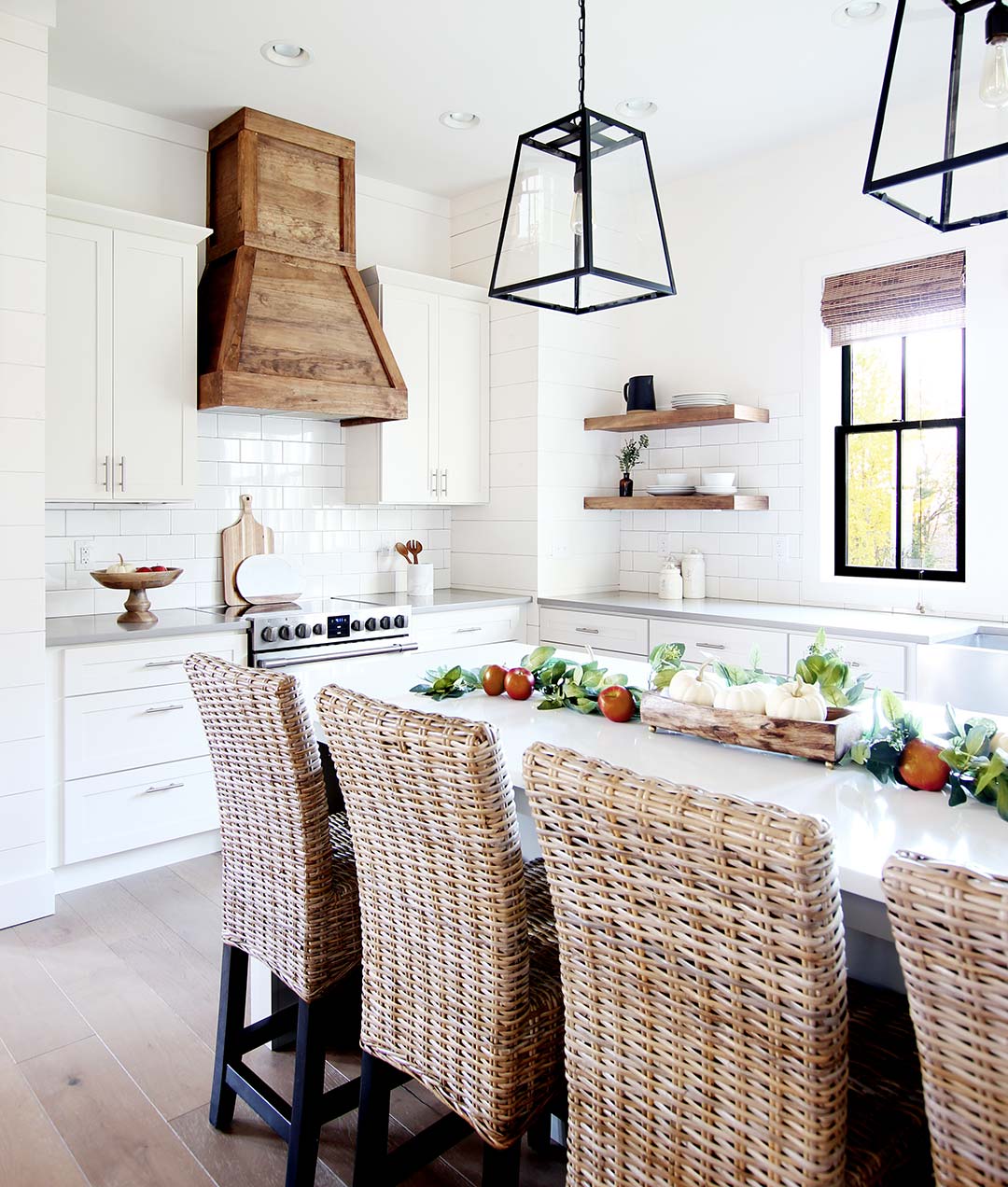
Add warmth through brass or bronze hardware, incorporate wood elements like open shelving or a butcher block island, choose textured backsplashes in subway tile or zellige, layer in different whites and creams to avoid flatness, and use colorful accessories that can easily be swapped.
Perfecting Green Cabinets:
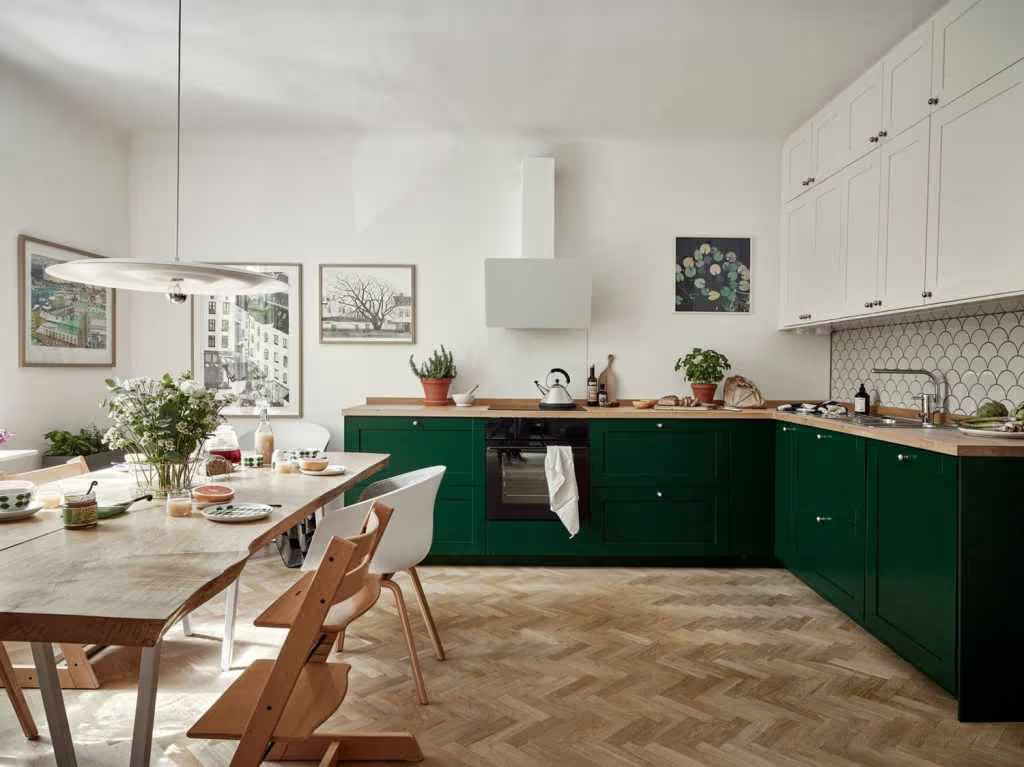
Balance green with neutral countertops in white marble, quartz, or butcher block. Mix metals—brass and copper complement green beautifully. Consider two-toning with white upper cabinets and green lowers, or vice versa. Ensure adequate lighting, as green can absorb light in dim spaces. Choose hardware thoughtfully—black creates contrast, brass adds warmth, and nickel offers modern sophistication.
The Hybrid Approach: Best of Both Worlds
Many of our Grace House Studio clients choose two-tone kitchens, combining white and green for a balanced, sophisticated look.
Popular combinations include green lower cabinets with white uppers for grounding the space while maintaining airiness, a green island with white perimeter cabinets creating a focal point, or white cabinets with a green accent wall or open shelving for subtle color introduction.
This approach lets you enjoy green's personality while maintaining white's versatility and light-reflective properties.
Making Your Decision
Consider these factors:
Your home's natural light: Abundant natural light handles either color beautifully; limited light benefits from white's reflective quality but can work with lighter green shades.
Your design personality: Drawn to minimalism and simplicity? White might be your match. Crave warmth and connection to nature? Green could be perfect.
Your lifestyle: Heavy kitchen use with kids might favor green's ability to hide minor marks; meticulous cleaners might prefer white's pristine appearance.
Long-term plans: Selling soon? White is safer. Staying for decades? Choose what you love, even if it's bold.
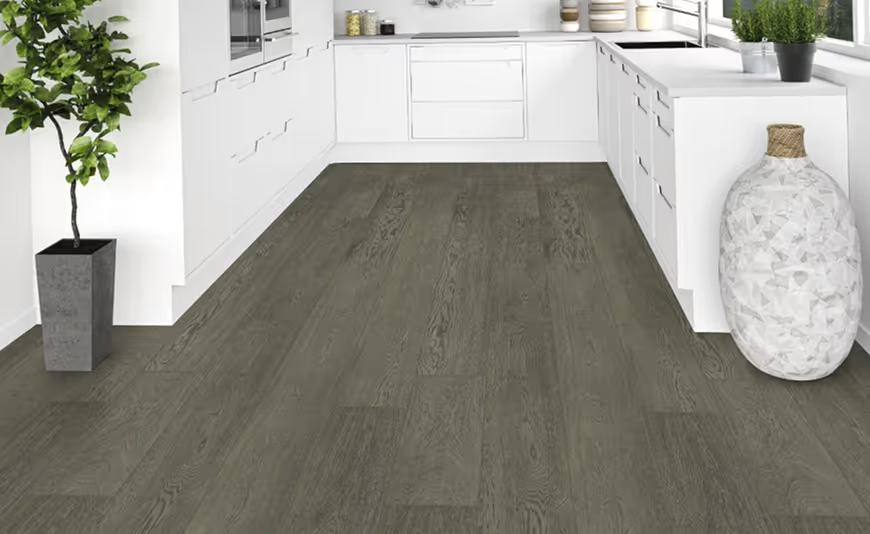
Surrounding elements: What are your countertops, flooring, and wall colors? Choose the cabinet color that harmonizes with existing elements you're keeping.
The Grace House Studio Advantage
Whether you choose white, green, or a combination, Grace House Studio offers cabinet solutions at every level: RTA, semi-custom, and custom - in both colors with dozens of shade variations.
Our design team helps you navigate these decisions with samples, renderings, and expert guidance. We'll show you how different whites and greens look with your specific lighting and help you create a cohesive design that reflects your style while meeting your practical needs.
Ready to transform your kitchen with the perfect cabinet color? Contact Grace House Studio today for a free consultation. Let's create a space you'll love coming home to.
.jpeg)
%20%40dnicoledesignstudio.webp)