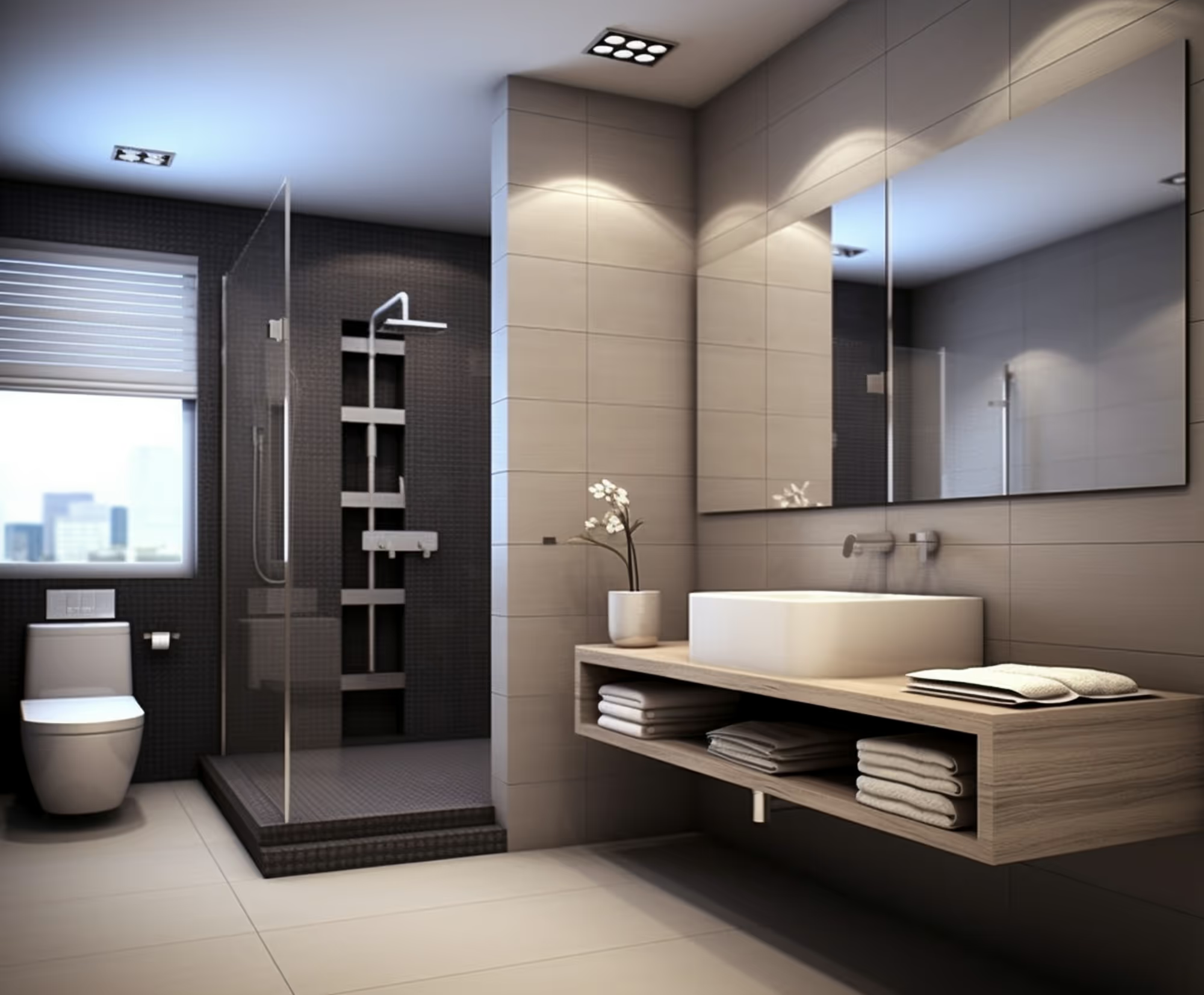
Your bathroom works hard every single day, but unlike other rooms in your home, it often gets overlooked until something goes seriously wrong. Whether you're planning to sell soon or simply want to enjoy a more functional, beautiful space, recognizing when it's time to upgrade can save you from costly emergency repairs while boosting your home's value. Here are eight clear signs your bathroom is crying out for attention, along with strategic upgrades that deliver real returns on your investment.
1. Persistent Mold, Mildew, or Water Stains
If you find yourself constantly scrubbing away mold from grout lines, ceiling corners, or around fixtures, you're dealing with more than just a cleaning problem. Recurring mold and mildew signal underlying moisture issues that won't resolve with bleach and elbow grease.
What's Really Happening: Poor ventilation, failing caulk, or hidden leaks allow moisture to accumulate in walls, floors, and ceilings. Left unchecked, this leads to structural damage, health concerns, and expensive repairs that extend far beyond the bathroom itself.
The Stylish Fix: Install a properly sized exhaust fan rated for your bathroom's square footage, ideally with a humidity sensor that runs automatically. Upgrade to mold-resistant drywall and paint in moisture-prone areas. Re-tile shower surrounds with large-format tiles that minimize grout lines where mold thrives. Modern ventilation fans now come with integrated lighting and Bluetooth speakers, adding function without sacrificing style.
2. Outdated Fixtures Straight from the 1990s (or Earlier)
Almond-colored toilets, brass faucets with ceramic handles, and builder-grade chrome fixtures instantly date your bathroom. These relics broadcast neglect to potential buyers and make your space feel tired even if everything technically functions.
What's Really Happening: Fixture styles evolve with design trends, and outdated hardware makes your entire bathroom feel stuck in time. Beyond aesthetics, older fixtures waste water and lack the performance improvements found in modern designs.
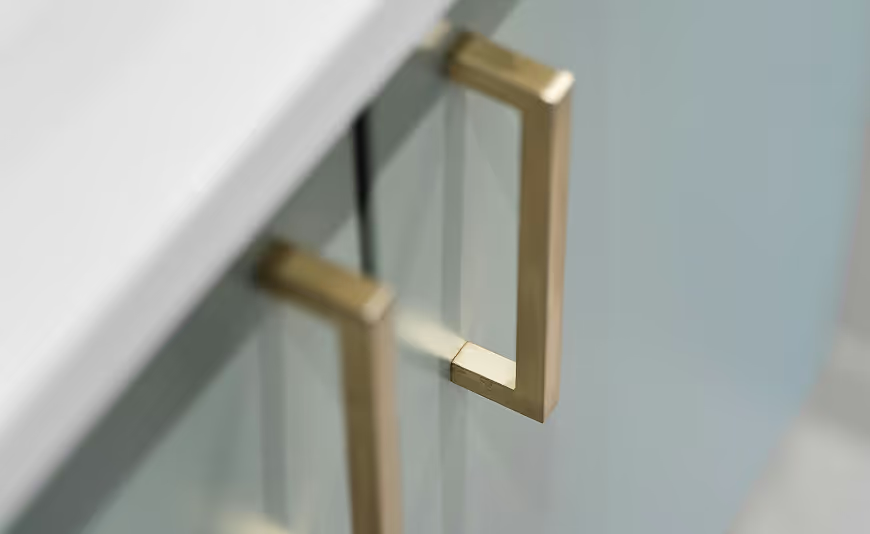
The Stylish Fix: Replace faucets, showerheads, towel bars, and toilet paper holders with cohesive fixtures in current finishes like matte black, brushed gold, or polished nickel. Upgrade to a comfort-height toilet with a dual-flush system that saves water. Install a rainfall showerhead or hand-shower combo for a spa-like experience. These updates transform the space without requiring major construction.
3. Cracked, Chipped, or Discolored Surfaces
Cracks in your tub, chips in sink basins, or permanent discoloration on countertops don't just look bad—they indicate materials reaching the end of their lifespan. Surface damage worsens quickly as water seeps into cracks, causing further deterioration.
What's Really Happening: Years of cleaning chemicals, hard water, and daily wear break down protective finishes. Cracks become entry points for water damage, while chips harbor bacteria that resist cleaning. These imperfections signal to buyers that the bathroom hasn't been maintained.
The Stylish Fix: For minor damage, professional reglazing extends the life of tubs and sinks for 3-5 years at a fraction of replacement cost. For more extensive damage, replace outdated cultured marble vanity tops with quartz or granite remnants. Swap worn tub and shower surrounds for modern tile or high-quality acrylic systems. Update chipped pedestal sinks with floating vanities that add storage and contemporary style.
4. Insufficient or Poorly Designed Lighting
A single overhead light fixture might technically illuminate your bathroom, but it creates shadows exactly where you need clarity—at the mirror. Poor lighting makes makeup application difficult, shaving hazardous, and the entire space feel dingy regardless of how clean it is.
What's Really Happening: Builder-grade lighting prioritizes cost over function. Insufficient lighting makes spaces feel smaller, highlights flaws, and fails to create the ambiance that makes bathrooms feel like retreats rather than purely functional spaces.
The Stylish Fix: Layer your lighting with three types: ambient (recessed ceiling lights), task (vertical fixtures flanking mirrors), and accent (toe-kick lighting or LED strips under floating vanities). Install dimmer switches to adjust mood from bright morning prep to relaxing evening baths. Add a backlit mirror that provides even, shadow-free illumination. Modern LED options use minimal electricity while providing excellent light quality.
5. Terrible Layout That Wastes Space
Doors that swing into fixtures, toilets positioned where knees hit vanities, or layouts that make the room feel cramped despite adequate square footage all point to poor planning. A dysfunctional layout frustrates daily routines and represents missed potential.
What's Really Happening: Older bathrooms were often designed with minimal thought to traffic flow or efficient use of space. Builders positioned fixtures based on existing plumbing locations rather than optimal functionality, creating awkward arrangements that persist for decades.
The Stylish Fix: Reconfigure the layout to improve flow and maximize usable space. Replace swinging doors with pocket doors that disappear into walls. Move toilets to create better clearances (modern toilets need just 30 inches of width versus older models requiring 36 inches). Install wall-mounted or floating vanities that open up floor space and make small bathrooms feel larger. Relocate plumbing if necessary—while expensive, the transformation justifies the cost in frequently used spaces.
6. Inadequate Storage Causing Countertop Clutter
Toiletries covering every surface, towels stacked on the toilet tank, and cleaning supplies shoved under the sink all signal insufficient storage. Visible clutter makes bathrooms feel chaotic and smaller than their actual dimensions.
What's Really Happening: Many bathrooms, especially older powder rooms and guest baths, were built with minimal storage. As households accumulate more products and value organization, inadequate storage becomes increasingly problematic.
The Stylish Fix: Replace pedestal sinks or small vanities with larger cabinet-based options that provide hidden storage. Install recessed medicine cabinets that don't protrude into the room. Add floating shelves in dead space above toilets or beside mirrors. Incorporate drawer organizers and pull-out shelves that maximize usable space within existing cabinets. In showers, replace corner caddies with built-in niches tiled to match surrounds.
7. Drafts, Cold Floors, or Inconsistent Temperatures
Bathrooms that feel frigid in winter or sweltering in summer point to inadequate insulation, poor seals around windows and doors, or missing heated floor systems. No one enjoys stepping onto icy tiles on winter mornings.
What's Really Happening: Bathrooms often have exterior walls with windows, making them vulnerable to temperature fluctuations. Older homes may have minimal insulation in these walls, while gaps around fixtures and openings allow conditioned air to escape.
The Stylish Fix: Install radiant floor heating under new tile—the single most luxurious upgrade you can make for modest cost. Add insulated cellular shades on windows that provide privacy while blocking heat transfer. Replace old windows with double-pane models if they're original to homes built before 1990. Seal gaps around exhaust fans, light fixtures, and plumbing penetrations. Update weatherstripping on doors and windows.
8. It Simply Doesn't Match Your Home's Style
A pink-tiled bathroom in your otherwise contemporary home or a stark white box in your craftsman bungalow creates jarring disconnects. When the bathroom's style clashes dramatically with the rest of your house, it needs updating.
What's Really Happening: Previous owners' taste or decades-old trends left your bathroom out of sync with your home's character. This disconnect makes the space feel like an afterthought and suggests the home hasn't been thoughtfully maintained or updated.
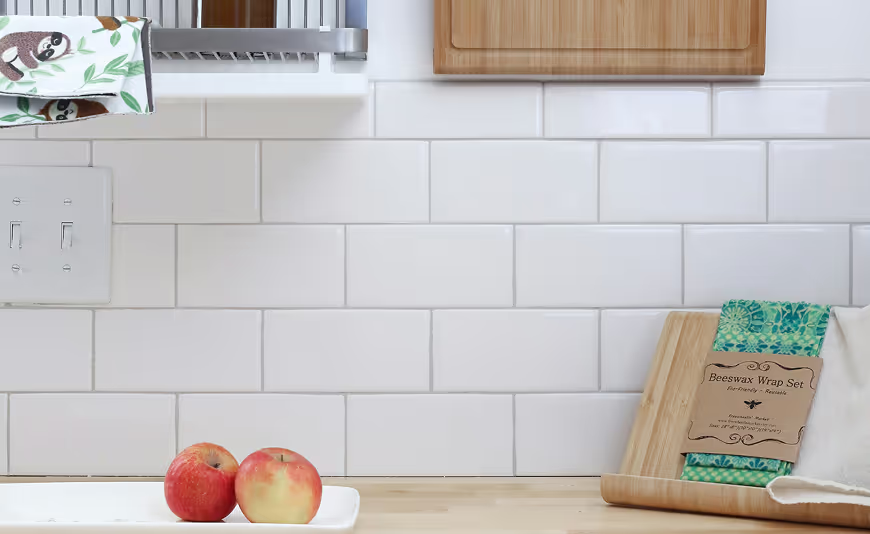
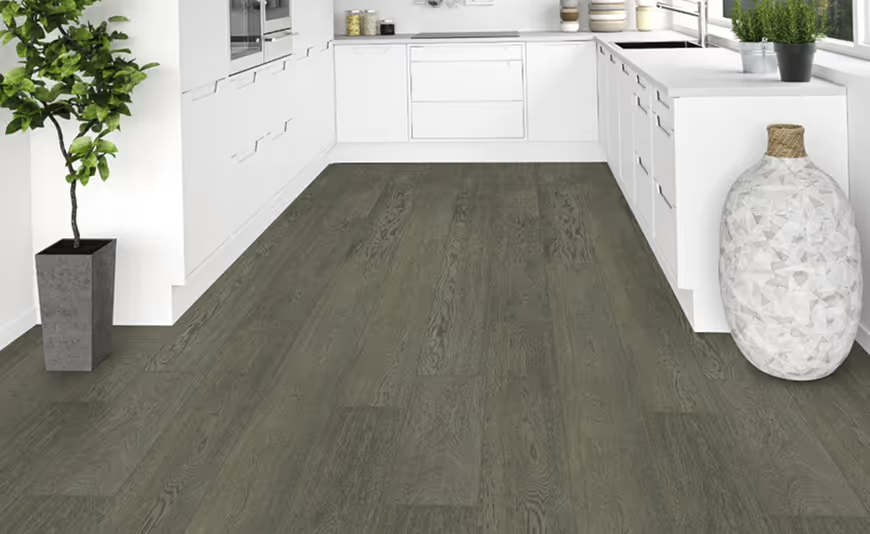
The Stylish Fix: Renovate with finishes and fixtures that honor your home's architectural style. In traditional homes, choose classic subway tile, furniture-style vanities, and traditional fixtures. For modern spaces, select clean-lined floating vanities, large-format tiles, and minimalist hardware. Transitional homes bridge both worlds with simple profiles and neutral palettes. Carry flooring materials from adjacent hallways into the bathroom to create visual continuity.
Making It Happen
Bathroom upgrades range from weekend projects to multi-week renovations. Start by addressing any moisture or structural issues—these protect your investment and prevent problems from worsening. Then prioritize updates based on what bothers you most daily and what buyers in your area expect.
Remember that small bathrooms actually cost more per square foot to renovate than large ones due to the same fixture costs fitting into less space. Set realistic budgets that account for surprises—bathroom renovations commonly encounter unexpected plumbing issues or hidden water damage that adds 10-20% to initial estimates.
The best bathroom upgrades balance your personal enjoyment with market realities. By recognizing these eight signs and implementing strategic fixes, you'll create a space that functions beautifully for years while protecting and enhancing your home's value.
%20%40dnicoledesignstudio.webp)