Whether you are navigating the challenges of a compact city apartment or looking to add character to a spacious suburban home, storage is a universal dilemma. We all accumulate things—cherished memories, daily necessities, and decorative pieces—but finding the right place for them can be tricky. The secret to a beautifully organized home lies in choosing furniture that works as hard as you do, blending seamless functionality with striking aesthetics.
Cabinets are the unsung heroes of interior design. They hide our clutter, display our treasures, and make use of the awkward architectural quirks in our homes. In this guide, we are diving deep into three distinct types of cabinetry that can instantly upgrade your space: curio cabinets, corner cabinets, and bathroom storage cabinets.
Here is everything you need to know to choose, style, and maximize these essential pieces.
1. Curio Cabinets: Curating Your Personal Museum
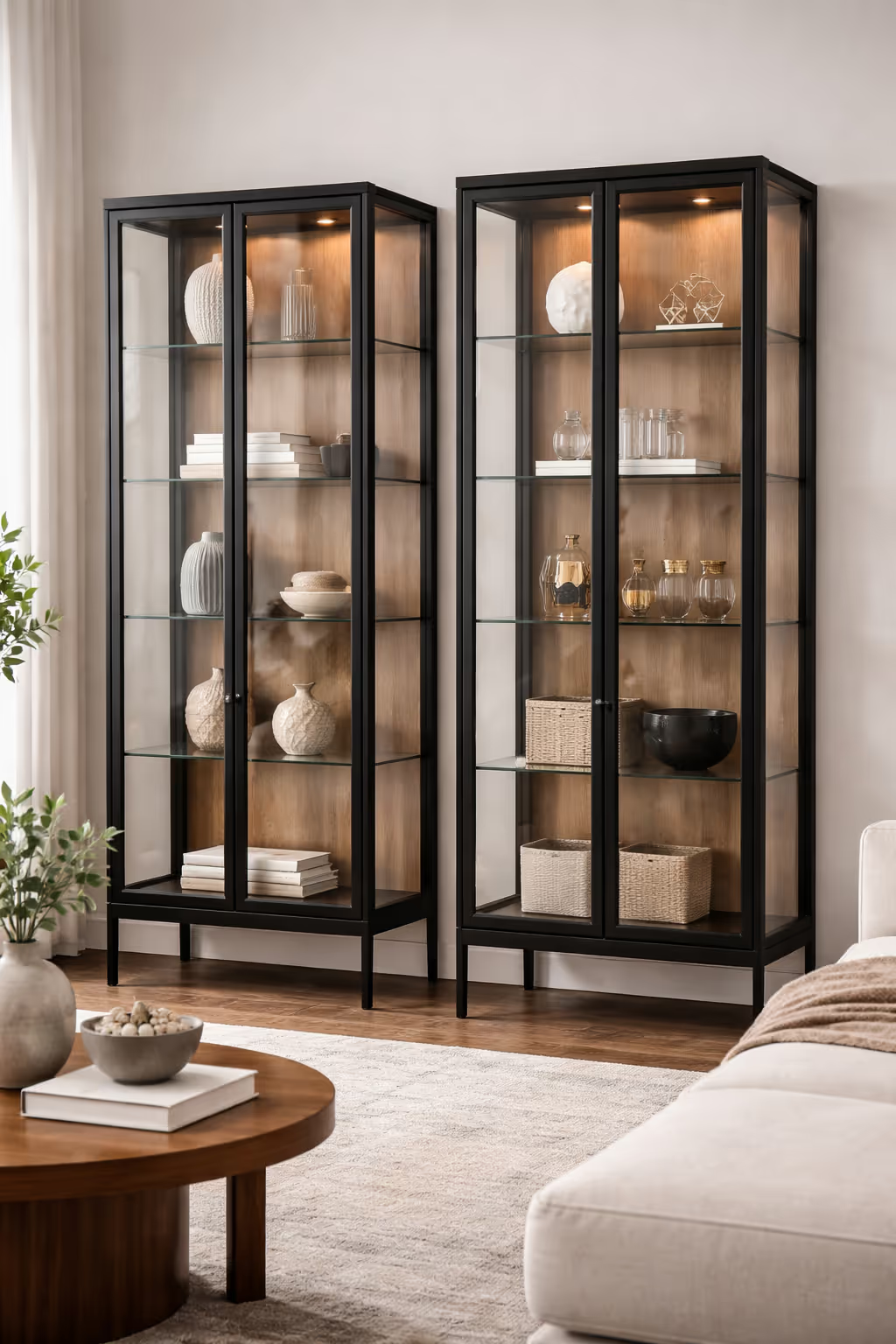
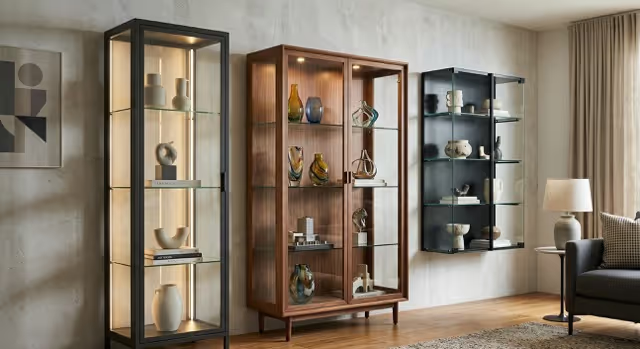
A curio cabinet is a specialized type of display case, predominantly featuring glass doors, glass shelving, and occasionally mirrored backs. Derived from the word "curiosity," these cabinets were historically used to showcase unique, rare, or fascinating objects collected from around the world. Today, they serve as a personal museum for your home.
Why You Need One
If you have items you love to look at but hate to dust, a curio cabinet is your best friend. They protect delicate items from environmental damage and accidental bumps while keeping them in full view.
Best Uses and Styling Tips
- Family Heirlooms and China: The dining room is a classic location for a curio cabinet. Use it to display fine china, crystal stemware, or antique silver.
- Travel Souvenirs: Turn your living room curio into a conversation starter by arranging artifacts, pottery, or sculptures collected during your travels.
- Book and Art Collections: Modern curio cabinets with sleek metal frames look incredible filled with a mix of vintage books, small framed artworks, and trailing indoor plants.
Choosing the Right Curio
When shopping, consider the lighting. Many premium curio cabinets come with built-in LED lighting at the top to illuminate your display. If your room is naturally dark, an illuminated cabinet with a mirrored back will bounce light around the room, making the space feel larger and your collection look spectacular.
2. Corner Cabinets: Conquering the "Dead Zone"
Take a look around your home. Chances are, you have at least one empty corner that is doing absolutely nothing. Corners are notoriously difficult to decorate; they are often too small for a standard chair and too awkward for a regular console table. Enter the corner cabinet.
Why You Need One
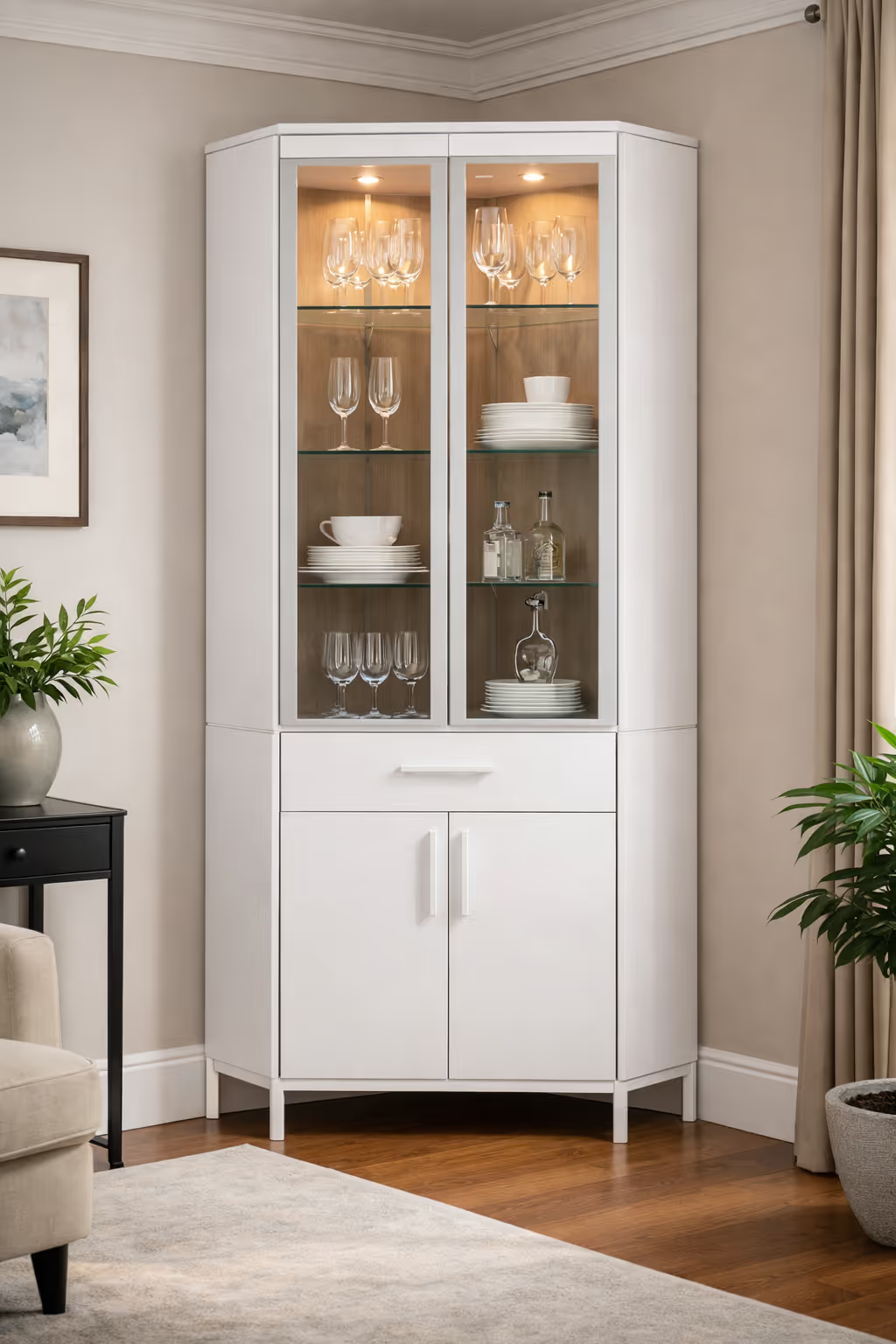
Corner cabinets are the ultimate space-saving hack. They are engineered with a triangular or wedge-shaped back to slot perfectly into a 90-degree angle. By utilizing vertical space in an underused area, you instantly gain storage without sacrificing square footage in the center of your room.
Corner Cabinets vs. Lazy Susans
Choosing between a corner cabinet and a lazy susan depends on whether you prioritize volume or accessibility. A corner cabinet—specifically a "blind" corner—offers vast, cavernous storage. It is ideal for bulky items like holiday platters or large roasting pans that you don't need daily, though reaching into the far back can be a physical challenge.
In contrast, a lazy susan uses rotating trays to bring items to you. While the circular design leaves some unused "dead air" in the corners of the cabinet, it excels at organizing smaller, high-frequency items like spices, oils, or canned goods. Ultimately, corner cabinets maximize every square inch of space, while lazy susans maximize convenience and speed in a busy kitchen.
Best Uses and Styling Tips
- The Dining Room Bar: A tall corner cabinet with closed storage on the bottom and open shelving on top makes a fantastic impromptu home bar. Store liquor bottles and cocktail napkins below, and display your favorite glassware above.
- Living Room Media and Books: In smaller living rooms, a low-profile corner cabinet can hold a television or serve as a neat, tucked-away bookshelf.
- Entryway Catch-All: Placed near the front door, a small corner cabinet provides a dedicated drop zone for keys, mail, and dog leashes, keeping entryway clutter out of sight.
Choosing the Right Corner Cabinet
Measure carefully. You need to account not only for the depth of the corner but also for the clearance required to swing the cabinet doors open. If space is incredibly tight, look for a corner cabinet with sliding doors or an open-shelving design.
3. Bathroom Storage Cabinets: Creating a Spa-Like Sanctuary
The bathroom is often the smallest room in the house, yet it requires the most intense storage solutions. From fluffy towels and extra toilet paper to skincare routines and cleaning supplies, the bathroom demands hyper-organized cabinetry. Without it, the space quickly goes from a relaxing sanctuary to a chaotic mess.

Why You Need One
Standard under-sink vanities rarely provide enough space for everything a family needs. Dedicated bathroom storage cabinets help you categorize your necessities, keeping countertops clear and mornings stress-free.
Best Uses and Types of Bathroom Cabinets
- Freestanding Linen Towers: If you have a few feet of empty floor space, a tall, narrow linen tower is ideal. Use the bottom half for bulky towels and extra paper products, and the top shelves for decorative jars of bath salts, rolled face cloths, or daily toiletries.
- Over-the-Toilet Space Savers: This is a classic solution for tiny bathrooms. These cabinets straddle the toilet tank, utilizing the vertical wall space that is almost always left blank. It is the perfect spot to store items you need within arm's reach.
- Wall-Mounted Medicine Cabinets: Don't underestimate the power of a deep, mirrored wall cabinet. Modern medicine cabinets can be recessed into the wall for a flush look and offer adjustable shelving to accommodate tall bottles of lotion or electric toothbrushes.
Choosing the Right Bathroom Cabinet
The most critical factor here is the material. Bathrooms are high-humidity environments. Avoid untreated wood or cheap particleboard that will swell and warp when exposed to moisture. Look for cabinets made from moisture-resistant MDF, treated solid woods (like teak or bamboo), or powder-coated metals. Additionally, opt for cabinets with louvered doors or slight ventilation to prevent musty odors from building up inside.
Conclusion: Form Meets Function
Furnishing your home isn't just about filling empty rooms; it is about creating an environment that supports your lifestyle. By strategically incorporating curio cabinets to celebrate your passions, corner cabinets to maximize your floor plan, and bathroom cabinets to restore order to your routines, you create a home that is as efficient as it is beautiful.
Take a walk through your space today. Where is the clutter building up? Which corners are sitting empty? The right cabinet is out there, ready to transform your room.
.jpeg)
%20%40dnicoledesignstudio.webp)