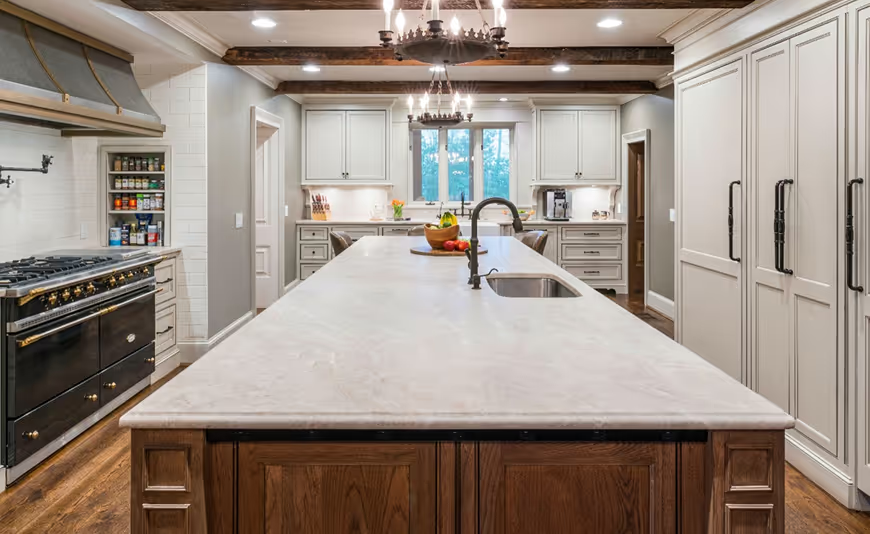
A kitchen remodel is one of the most rewarding investments a homeowner can make. It's also one of the most complex. Unlike painting a room or swapping out light fixtures, a kitchen renovation involves multiple trades, long lead times, irreversible decisions, and a budget that can quietly expand in directions you didn't anticipate if the process isn't managed carefully from the start.
The good news: a well-planned kitchen remodel doesn't have to be overwhelming. The homeowners who come through the other side with their sanity and their budget intact are almost always the ones who understood the process before it began — not the ones who figured it out as they went.
This is your step-by-step guide to planning a kitchen remodel in Northern Virginia from first idea to finished installation — the way we walk our clients through it at Grace House Studio.
Step 1: Get Clear on Why You're Remodelling Before You Design Anything
This sounds obvious, but it's the step most homeowners skip — and it costs them later. Before you look at a single tile sample or cabinet finish, sit down and get genuinely specific about what isn't working in your current kitchen and what you need the new one to deliver.
Are your cabinets outdated but structurally fine, or do you need a full layout change? Is the problem storage, or workflow, or both? Do you want to open the space up, or simply refresh what's already there? Are you remodelling primarily for your own enjoyment, or with an eye on resale value?
The answers to these questions shape every decision that follows — including your budget. A homeowner who needs a full layout redesign with structural wall removal is on a very different project to one who needs new cabinets, countertops, and a backsplash within the existing footprint. Knowing which project you're actually doing before you start getting quotes is the foundation of a well-managed remodel.

Step 2: Set a Realistic Budget — and Build in a Contingency
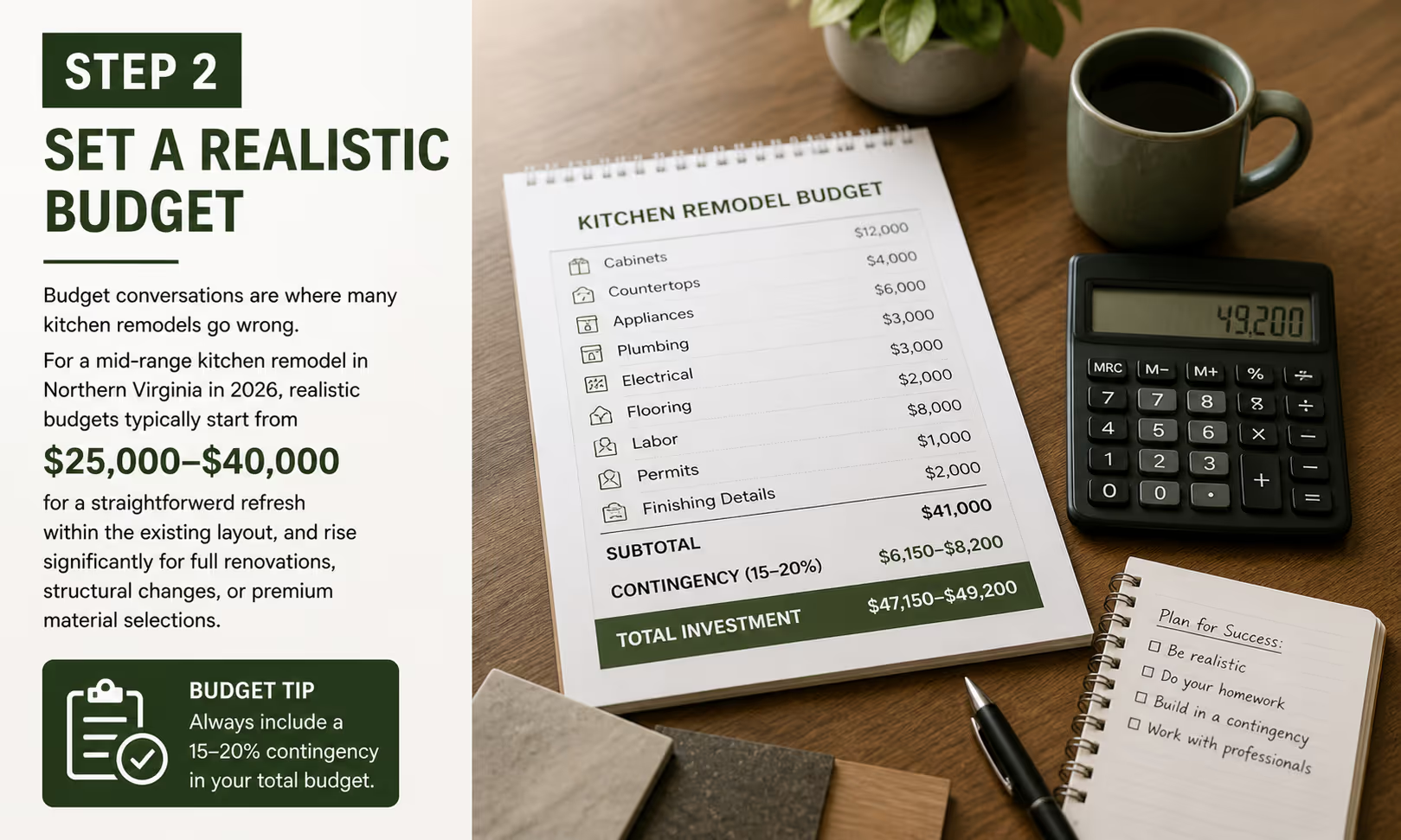
Budget conversations are where many kitchen remodels go wrong — not because homeowners are careless, but because the true cost of a project is genuinely difficult to estimate without professional input. Labour, materials, permits, structural work, appliances, and finishing details all add up in ways that can surprise even experienced renovators.
For a mid-range kitchen remodel in Northern Virginia in 2026, realistic budgets typically start from $25,000–$40,000 for a straightforward refresh within the existing layout, and rise significantly for full gut renovations, structural changes, or premium material selections. These are broad ranges — your specific home, kitchen size, and material choices will determine the actual number.
What every budget needs, without exception, is a contingency. Industry guidance for kitchen remodels is a minimum 15–20% contingency on top of your projected spend. In older Northern Virginia homes particularly — many of which have plumbing, electrical, or subfloor conditions that only become visible once walls are opened — unexpected costs are not the exception. They're the norm. Build for them in advance and you'll navigate them calmly. Discover them without a contingency and they become a crisis.
A good read before finalising your numbers: our guide to 10 Virginia kitchen remodel ideas by value which breaks down which investments deliver the strongest return in the local market.
Step 3: Book a Design Consultation Before You Commit to Anything
This is the step that saves Northern Virginia homeowners the most money and the most stress — and it's one many people delay too long because they think they need to have everything figured out first. You don't. The design consultation is where things get figured out.
A professional kitchen designer brings something that no amount of Pinterest browsing can replicate: the ability to look at your specific space, understand its structural constraints and opportunities, and translate your wants and lifestyle into a layout and material palette that actually works.
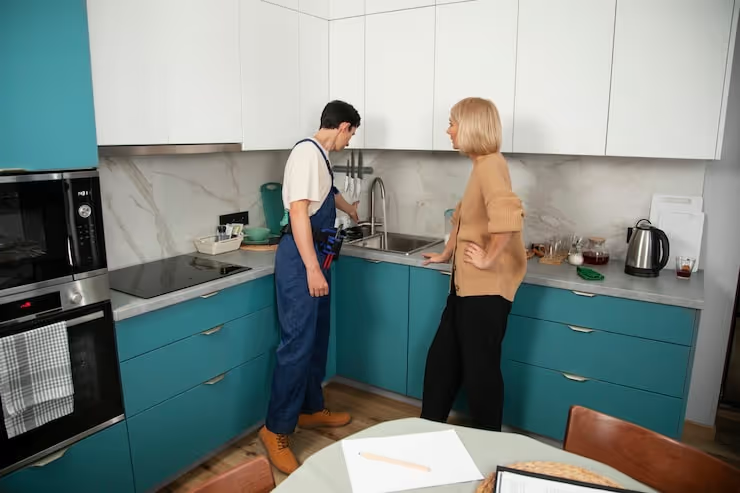
At Grace House Studio, our design consultation process includes an in-home visit where we assess your existing kitchen, discuss your brief and budget, and walk you through material options from our full range of cabinets, countertops, backsplash tile, flooring, and hardware. We can also bring samples directly to your home through our mobile showroom — so you can see how materials look in your actual light alongside your existing finishes.
The consultation is where vague ideas become a concrete plan. Don't skip it.

Step 4: Nail the Layout Before You Fall in Love With the Finishes
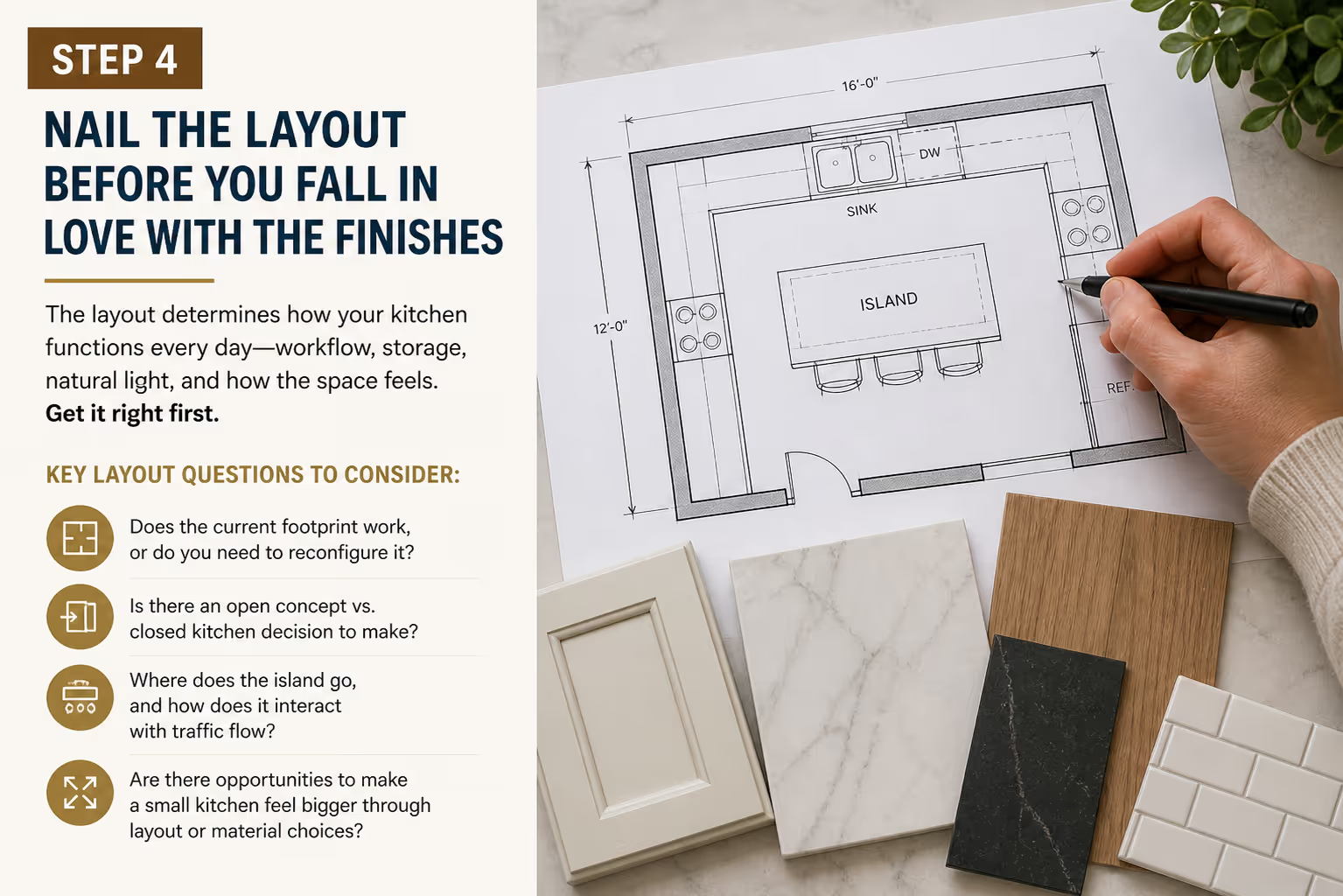
It's human nature to get excited about the beautiful things — the quartz countertop, the cabinet colour, the statement backsplash tile. But the most important decision in any kitchen remodel is the layout, and it needs to be resolved before the material selections begin.
Layout determines workflow, storage capacity, natural light, and how the kitchen feels to cook and live in every single day. Getting it right matters more than any individual finish choice.
Key layout questions to work through with your designer: Does the current footprint work, or do you need to reconfigure it? Is there an open concept vs. closed kitchen decision to make? Where does the island go, and how does it interact with traffic flow? Are there opportunities to make a small kitchen feel bigger through layout or material choices?
Our detailed post on trending kitchen remodel ideas for 2026 covers many of the layout and storage decisions — from ceiling-height cabinetry to waterfall island edges — that are worth considering at this stage.
Step 5: Make Your Material Selections Together, Not in Isolation
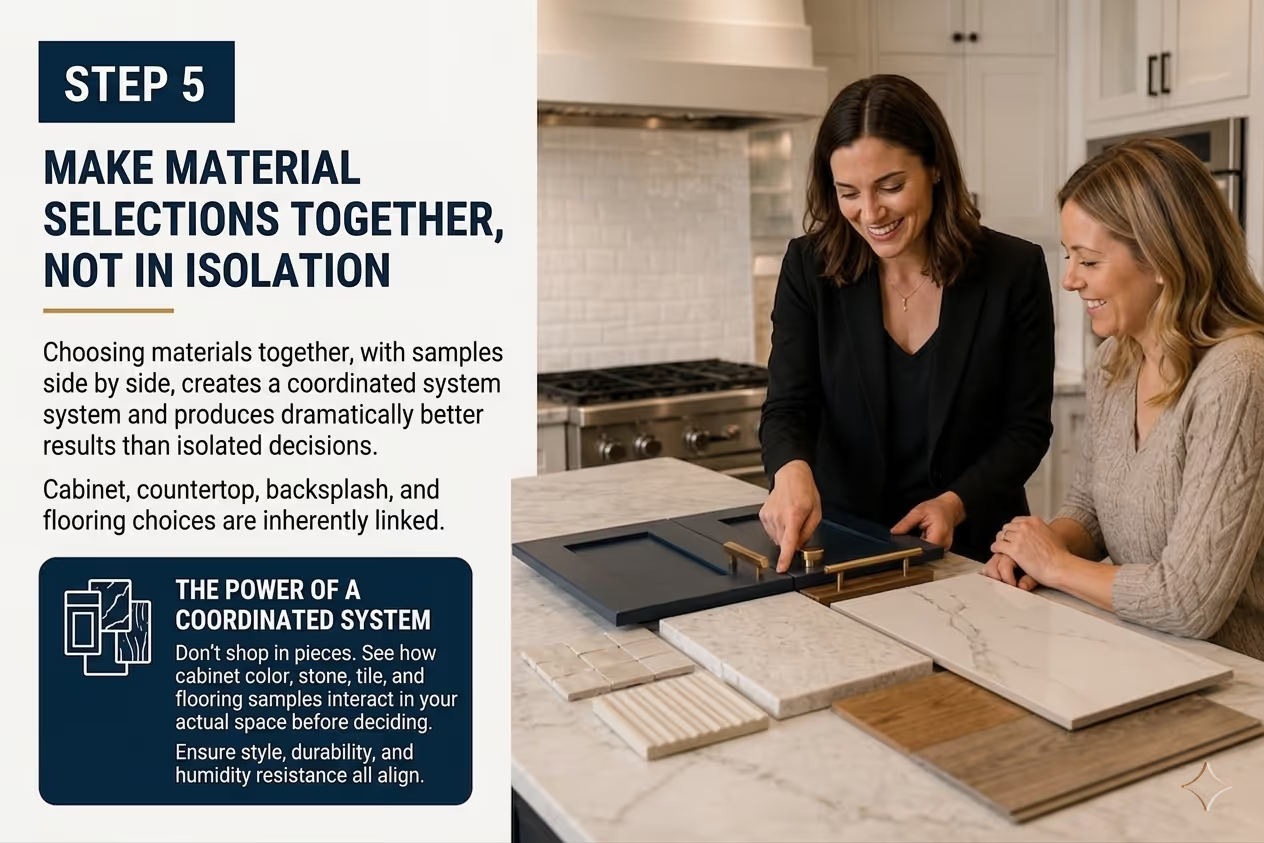
Once the layout is confirmed, material selection begins — and this is where many homeowners inadvertently create problems for themselves by making decisions in isolation rather than as a coordinated system.
Your cabinet colour affects which countertop materials read best. Your countertop choice affects your backsplash options. Your backsplash tile affects your flooring. Your flooring affects the overall warmth or coolness of the space. Every material decision exists in relationship to every other — which is why choosing them together, with samples side by side in your actual space, produces dramatically better results than choosing them separately across multiple shopping trips.
Some decisions worth thinking through carefully at this stage:
Cabinets: Style, finish, and configuration all matter. Our post on trending cabinet styles in Northern Virginia covers the options resonating most with local homeowners right now. And if you're weighing ready-to-assemble versus custom cabinets, that's a decision worth making with full information. Also consider whether European frameless or traditional framed cabinets better suit your kitchen's style and storage needs.
Countertops: Granite, quartz, and marble each have distinct maintenance profiles, aesthetic qualities, and price points. If you're weighing natural stone options specifically, our comparison of marble vs. quartzite is a useful reference. And read our honest breakdown of the hidden costs of DIY countertop installation before deciding whether to have countertops professionally fabricated and fitted — it's almost always worth it.
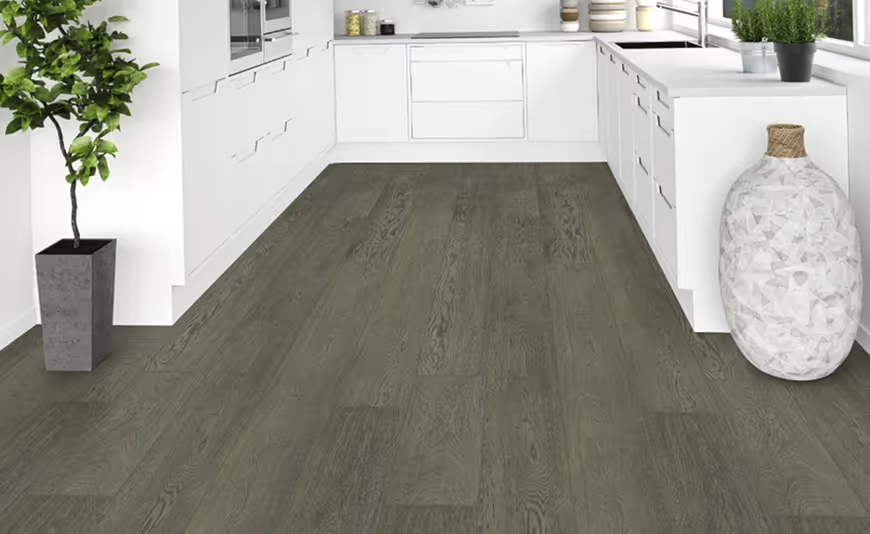
Flooring: The hardwood vs. LVP decision is particularly important for NoVA homes given the region's humidity swings. Our detailed comparison covers durability, cost, and moisture performance to help you choose wisely. Our flooring installation service covers both options across the full Northern Virginia area.
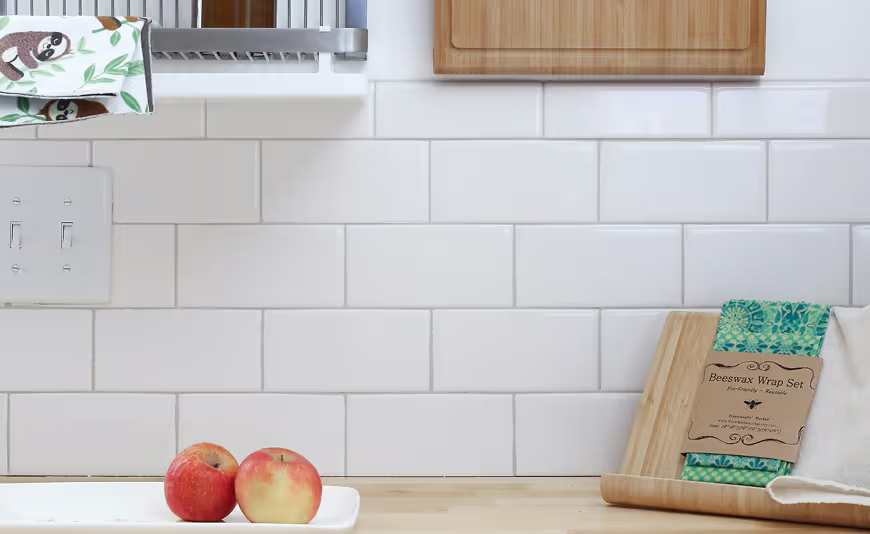
Backsplash: Often the most expressive material decision in the kitchen. Our roundup of 2026 backsplash trends covers everything from zellige and fluted ceramic to large-format porcelain slabs.
Step 6: Understand the Installation Sequence Before Work Begins
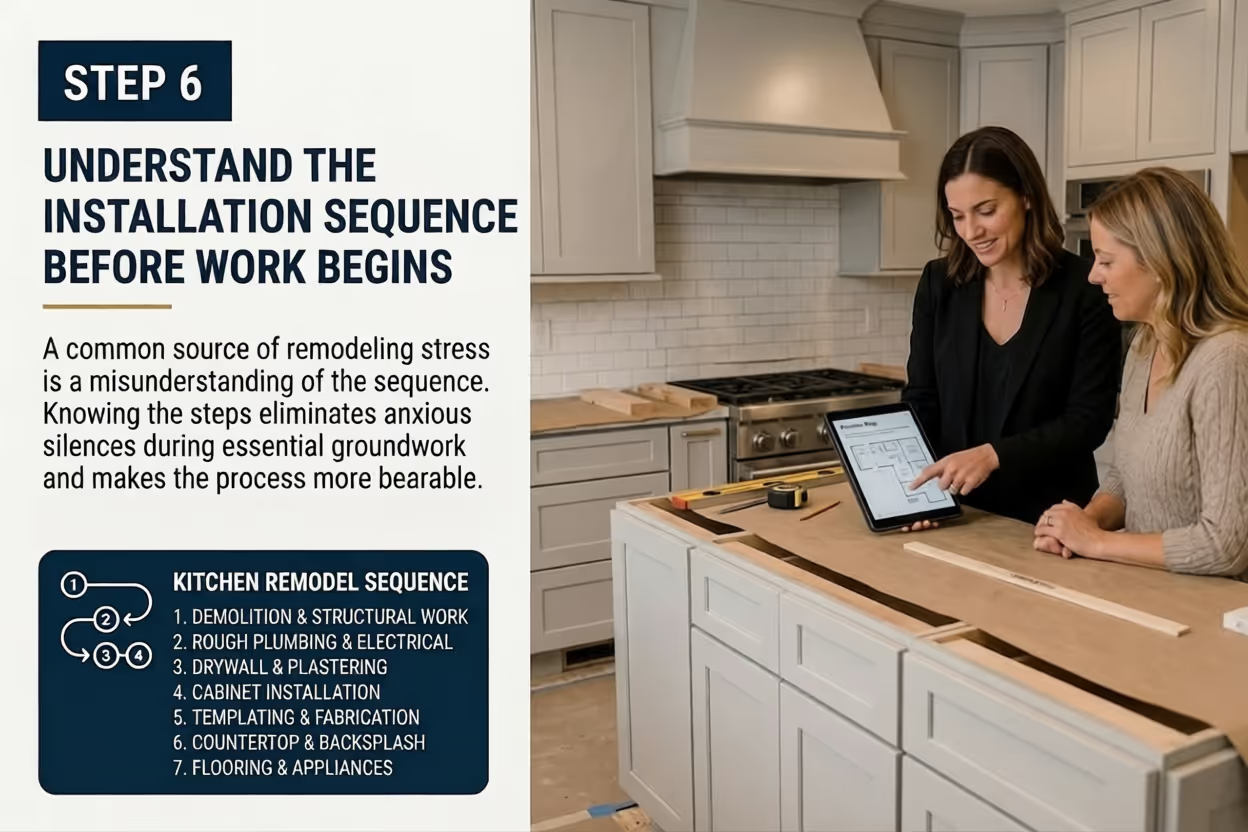
One of the most common sources of kitchen remodel stress is a misunderstanding of the sequence in which things happen — and why certain phases feel like nothing is progressing when actually they're essential groundwork.
A typical kitchen remodel follows this general sequence: demolition and structural work first, followed by rough plumbing and electrical, then drywall and plastering, then cabinet installation, then countertop templating and fabrication, then countertop installation, then backsplash tiling, then flooring, then final electrical and plumbing fixtures, and finally hardware, appliances, and finishing details.
The gap between cabinet installation and countertop installation feels long to homeowners — because countertop templating happens after cabinets are set, then the slab goes to the fabrication shop before returning for installation. At Grace House Studio, we keep clients updated throughout this process so there are no anxious silences. Knowing why each phase takes the time it does makes the waiting significantly more bearable.
Step 7: Plan Your Temporary Kitchen Early
This step is consistently underestimated. During a full kitchen remodel, your kitchen will be non-functional for several weeks — potentially longer for larger projects. Homeowners who plan for this in advance manage it well. Those who don't find it genuinely disruptive.
Practical preparation includes setting up a temporary kitchen space in another room with a microwave, kettle, toaster oven, and mini-fridge; stocking up on meals that don't require cooking; identifying local restaurants and meal delivery options for the duration; and protecting adjacent living spaces from dust with proper barriers.
If you're in the Arlington or Fairfax areas and have questions about timelines for your specific project, our kitchen remodeling in Arlington and kitchen remodeling in Fairfax guides include locally specific information that may be useful.

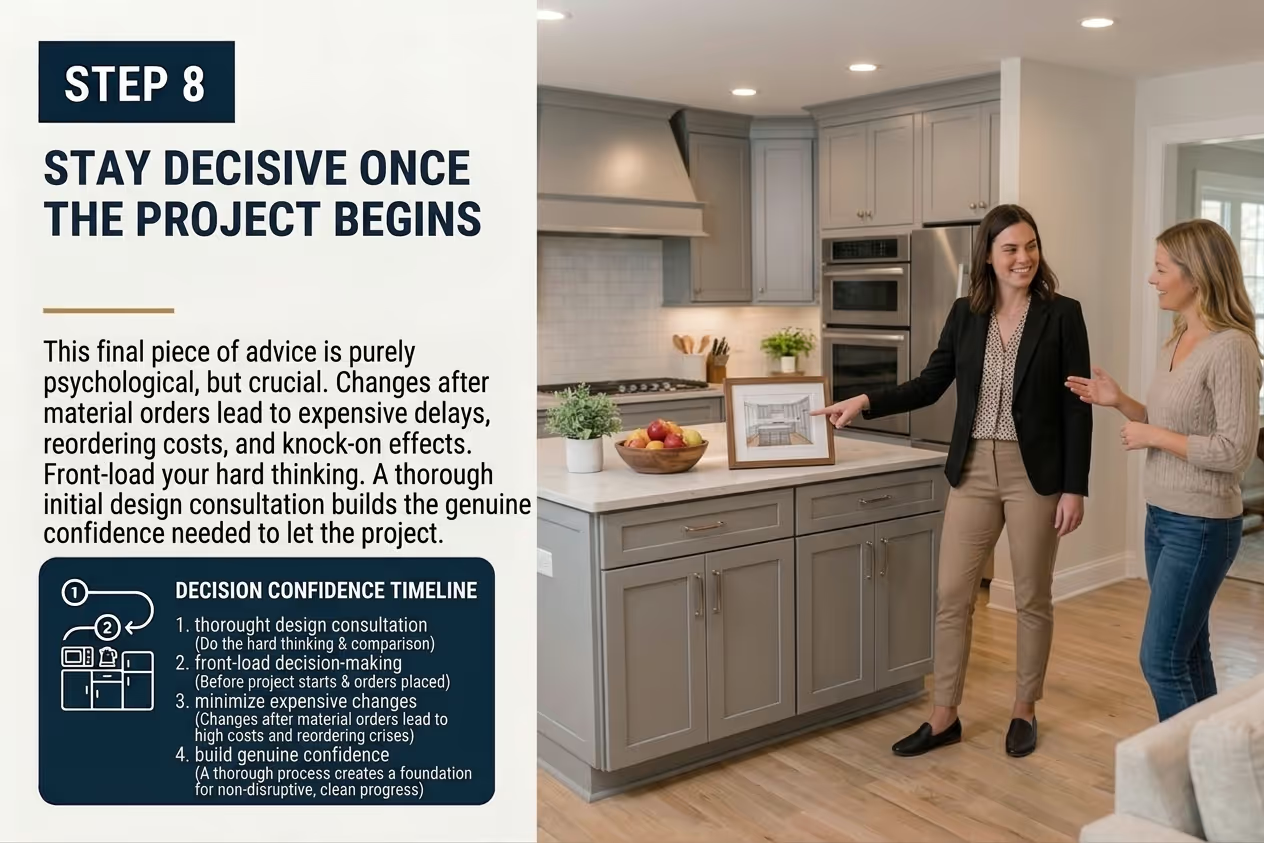
Step 8: Stay Decisive Once the Project Begins
This is the final piece of advice — and it's purely psychological, but it matters enormously. Once your project starts and materials are ordered, changes become expensive. Swapping a cabinet finish after the order is placed can mean reordering costs, lead time delays, and knock-on effects across the entire schedule.
The antidote is front-loading your decision-making. Do the hard thinking, the comparison, and the second-guessing before the project starts — not after. A thorough design consultation process at the beginning exists precisely to get you to a place of genuine confidence before work begins, so that once the project is in motion you can let it move forward cleanly.
Ready to Start? Grace House Studio Is Here to Help
A well-planned kitchen remodel is one of the most satisfying home investments you'll ever make. The key is starting with the right team, the right process, and the right expectations — and then trusting the process to deliver the result.
At Grace House Studio, we work with homeowners across Alexandria, Arlington, Fairfax, Charlottesville, and throughout Northern Virginia on full kitchen remodels — from initial design consultation through to the final installation. If you're planning a remodel this year, contact us today for a free in-home estimate. We'll bring the showroom to you, walk you through every decision at your own pace, and make sure this project is one you look back on with nothing but satisfaction.

%20%40dnicoledesignstudio.webp)