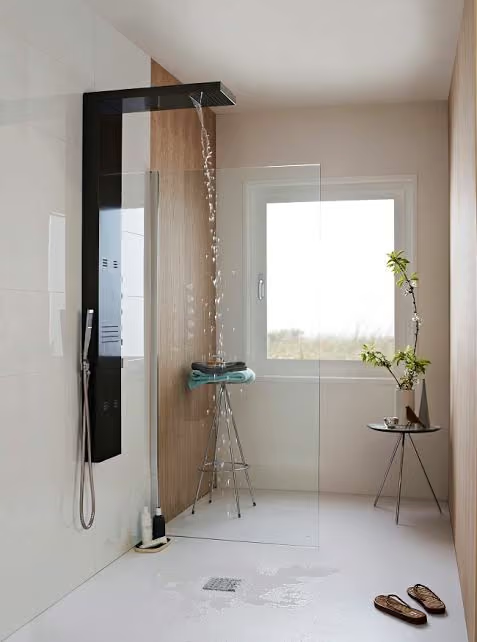
A wet room lives or dies on two things: the waterproofing behind the tile and the flooring chosen to handle constant water exposure. Get either wrong, and you are looking at mold, structural damage, or a dangerously slippery floor. Here is what actually matters in both.
Waterproofing: The Part You Will Never See, But Cannot Skip
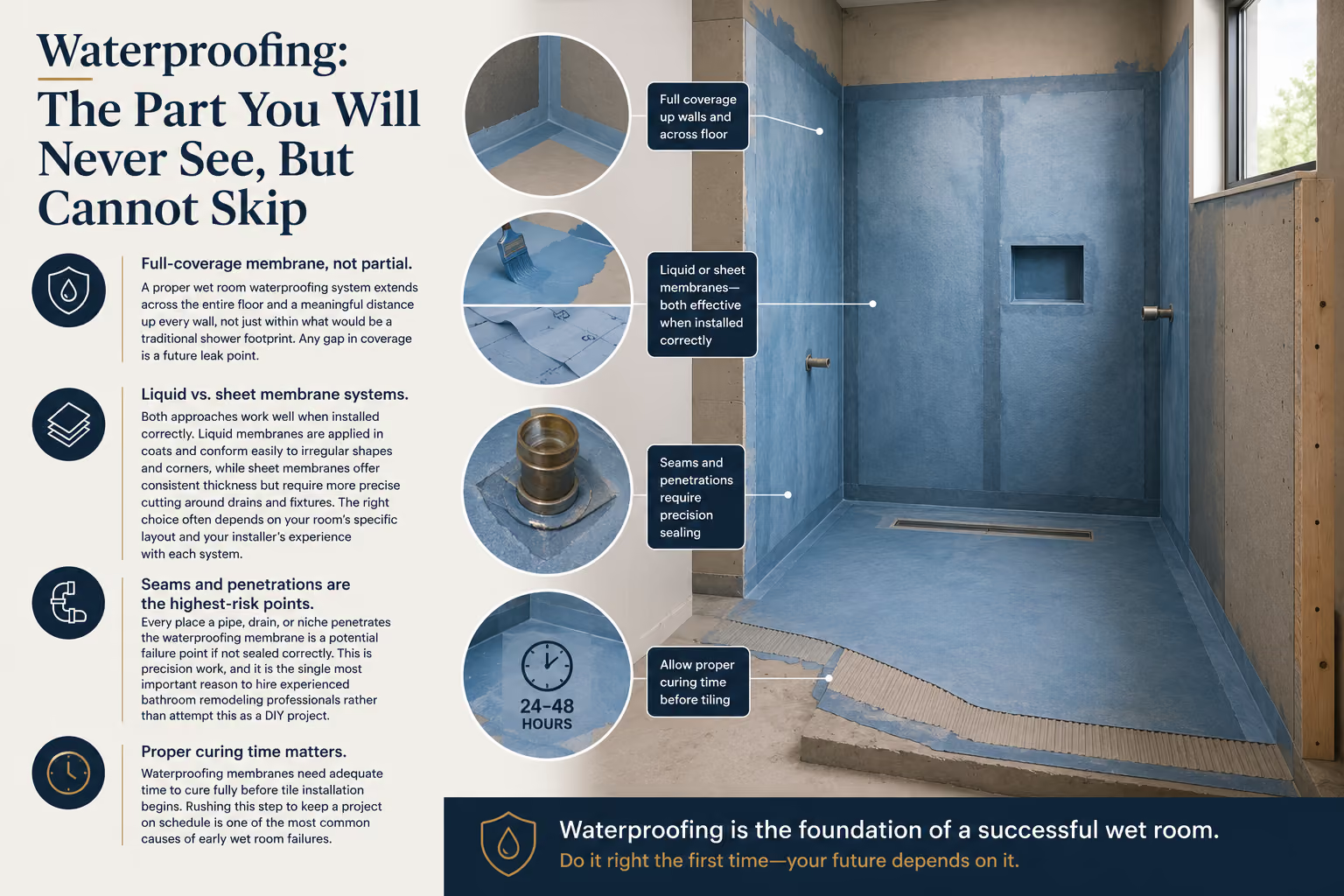
Full-coverage membrane, not partial. A proper wet room waterproofing system extends across the entire floor and a meaningful distance up every wall, not just within what would be a traditional shower footprint. Any gap in coverage is a future leak point.
Liquid vs. sheet membrane systems. Both approaches work well when installed correctly. Liquid membranes are applied in coats and conform easily to irregular shapes and corners, while sheet membranes offer consistent thickness but require more precise cutting around drains and fixtures. The right choice often depends on your room's specific layout and your installer's experience with each system.
Seams and penetrations are the highest-risk points. Every place a pipe, drain, or niche penetrates the waterproofing membrane is a potential failure point if not sealed correctly. This is precision work, and it is the single most important reason to hire experienced bathroom remodeling professionals rather than attempt this as a DIY project.
Proper curing time matters. Waterproofing membranes need adequate time to cure fully before tile installation begins. Rushing this step to keep a project on schedule is one of the most common causes of early wet room failures.
Floor Slope: Subtle but Essential
A wet room floor needs to slope toward its drain at a consistent, gentle gradient, generally around a quarter inch per foot. Too little slope and water pools instead of draining. Too much slope and the floor feels noticeably tilted underfoot. This is precise leveling work that should be planned before any tile goes down, not adjusted on the fly during installation.
Tile Selection: Function First, Aesthetics Second
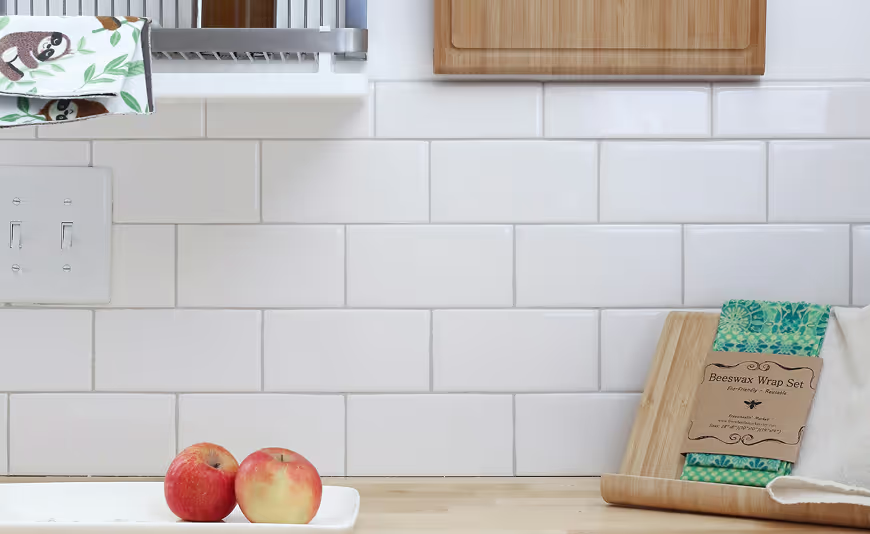
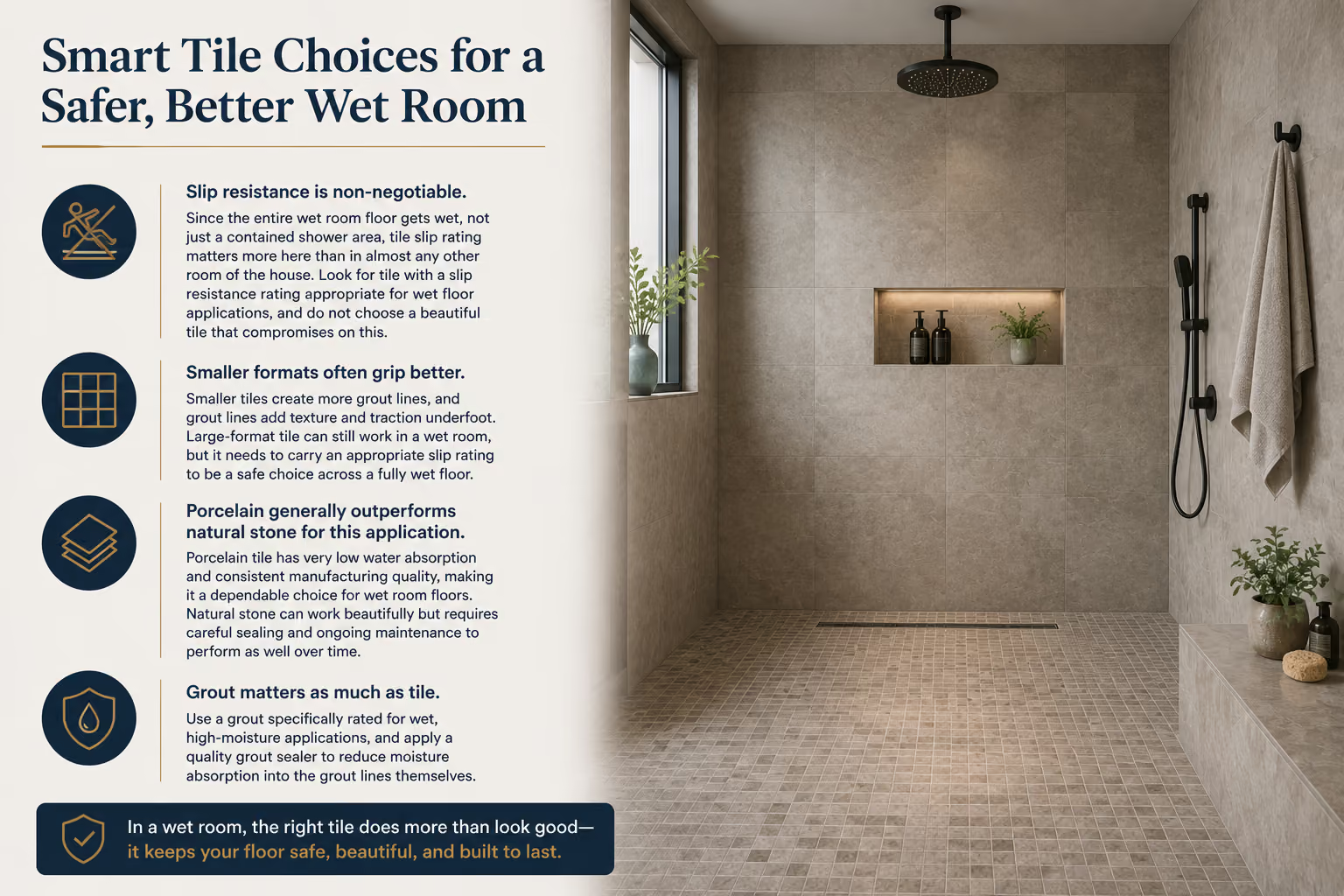
Slip resistance is non-negotiable. Since the entire wet room floor gets wet, not just a contained shower area, tile slip rating matters more here than in almost any other room of the house. Look for tile with a slip resistance rating appropriate for wet floor applications, and do not choose a beautiful tile that compromises on this.
Smaller formats often grip better. Smaller tiles create more grout lines, and grout lines add texture and traction underfoot. Large-format tile can still work in a wet room, but it needs to carry an appropriate slip rating to be a safe choice across a fully wet floor.
Porcelain generally outperforms natural stone for this application. Porcelain tile has very low water absorption and consistent manufacturing quality, making it a dependable choice for wet room floors. Natural stone can work beautifully but requires careful sealing and ongoing maintenance to perform as well over time.
Grout matters as much as tile. Use a grout specifically rated for wet, high-moisture applications, and apply a quality grout sealer to reduce moisture absorption into the grout lines themselves.
Ventilation: The Often-Overlooked Requirement
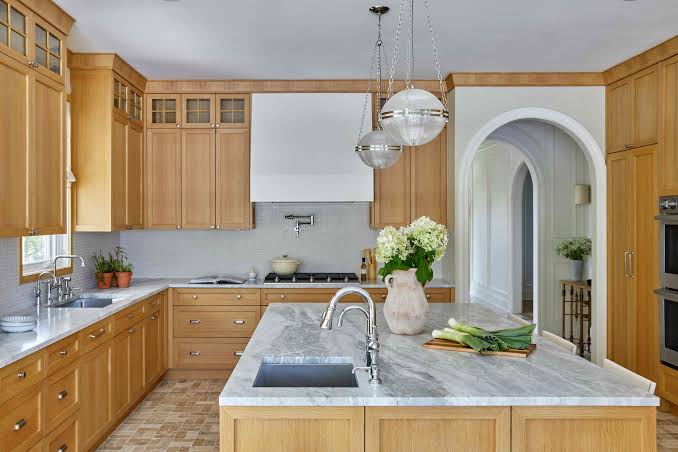
Without a shower enclosure to contain steam, moisture spreads across the entire wet room and can migrate into adjacent spaces if ventilation is inadequate. A high-capacity exhaust fan, sized appropriately for the room and running long enough after each use, is essential to prevent mold growth and protect surrounding finishes, including cabinetry outside the wet area itself.
Why This Is Not a DIY Project
Every element covered here, waterproofing, slope, tile selection, and ventilation, depends on the others being done correctly. A mistake in any one area can undermine the entire system, and the cost of fixing a failed wet room after the fact, including potential structural repair, is far higher than the cost of doing it right the first time.
Build It Right the First Time
Our team handles every stage of wet room construction, from waterproofing through final tile and ventilation, with the technical precision this project genuinely requires. Schedule a free in-home consultation to talk through your specific bathroom.
Request Your Free In-Home Consultation
%20%40dnicoledesignstudio.webp)