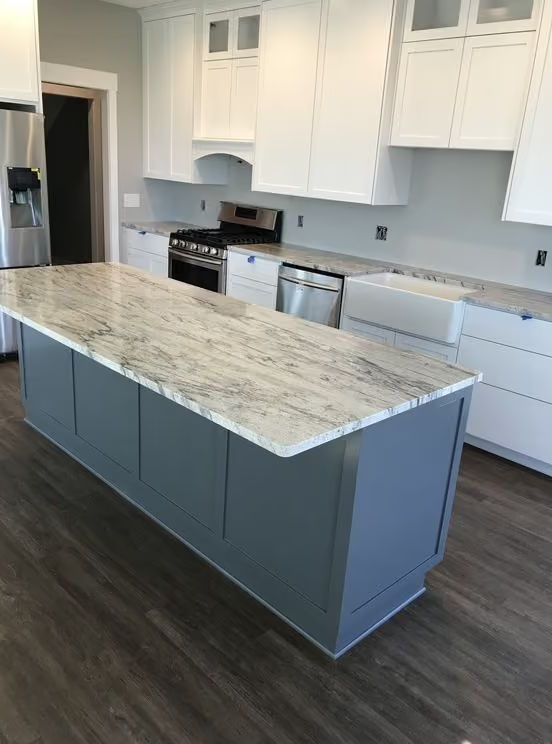
Gainesville has grown fast over the past decade, and a lot of the kitchens we see now split into two groups: newer builds with builder-grade granite that's ready for an upgrade, and slightly older homes where the original counters have simply run their course. Granite remains one of the most requested materials in both cases, but buying it well takes more than picking a color out of a small sample chip. Here's what actually matters before you sign off on a slab.
See the Actual Slab, Not Just a Sample
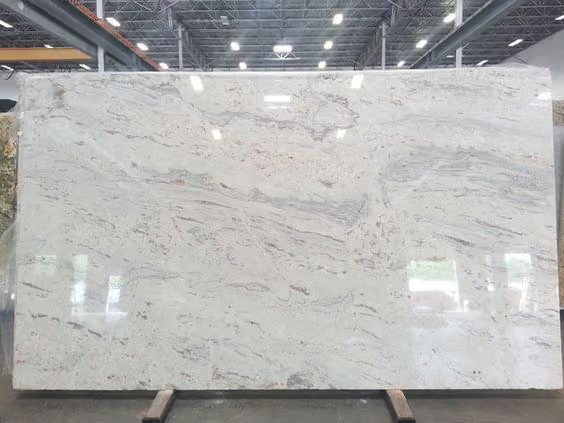
This is the single biggest mistake we see homeowners make. A two-inch granite sample can look completely different from the full slab it was cut from, especially with heavily veined or movement-heavy stones. Granite is quarried, so no two slabs are identical, even within the same named color. A client picking granite for a Gainesville kitchen should always ask to see the specific slab, not a representative sample, before finalizing the order. This one step prevents most of the buyer's remorse we hear about after installation.
Understand Granite Grading
Granite is typically sold in tiers, often labeled something like Level 1 through Level 4 or higher, with pricing increasing at each level. Lower tiers tend to have more consistent, simpler patterns, while higher tiers include rarer colors and more dramatic veining. Neither tier is objectively better. A busy kitchen where the countertop needs to hide daily wear often does fine with a mid-tier granite, while a homeowner wanting a true showpiece slab usually gravels toward the higher tiers. Comparing granite against quartz and marble side by side is a useful step before locking into granite specifically, since the right material sometimes shifts once budget and grading enter the conversation.
Check the Edge Profile Pricing Separately
Edge profile is one of those details that gets glossed over early in the buying process and then shows up as a surprise on the final invoice. A simple eased or bullnose edge is typically included in base pricing, while a bevel, ogee, or waterfall edge adds cost per linear foot. Anyone comparing quotes across contractors should confirm whether edge work is included or billed separately, since this is a common place where quotes that look similar upfront end up far apart by the final number.
Factor in Seams
Most kitchens require at least one seam unless the countertop run is unusually short, since granite slabs come in standard sizes. A well-placed seam, positioned away from the sink and high-traffic prep areas, is barely noticeable once the granite is polished and sealed. A poorly placed seam near the sink is both more visible and more prone to moisture issues over time. This is worth discussing directly with whoever is templating the kitchen, since seam placement has a real impact on how the finished counter looks day to day.
Ask About Sealing Before You Buy
Granite is porous and needs periodic sealing, typically once a year, to stay resistant to staining. Some granite colors are naturally denser and need sealing less often, while others, especially lighter or more porous stones, need more frequent attention. Getting this information at the time of purchase, rather than guessing later, makes it much easier to keep a light-colored granite counter looking new. A full walkthrough of the process is covered in caring for granite countertops, which is worth a read before the installation crew even arrives.
Compare Granite Against Quartz Honestly
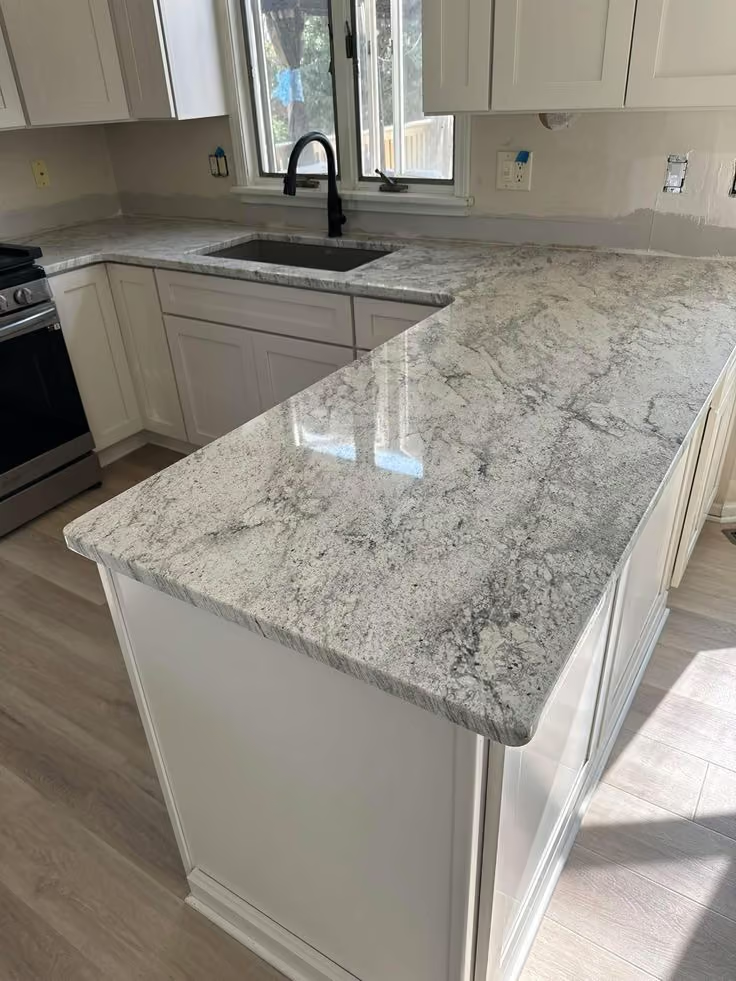
Granite isn't the only material worth considering, and a homeowner should weigh both before committing. Weighing quartz against granite usually comes down to how much maintenance someone wants to take on. Granite offers a more natural, one-of-a-kind look and handles heat slightly better, while quartz skips the sealing routine entirely. Neither is the wrong choice, but going in with a clear picture of both avoids second-guessing the decision after the granite is already installed.
Get a Real Installed Price, Not Just Material Cost
Material cost per square foot is only part of the number. Templating, fabrication, edge work, sink cutouts, and installation labor all factor into the final price, and a quote that only lists slab cost per square foot is incomplete. For a real-world example of what an installed project actually runs, 45 square feet of installed countertops across Northern Virginia gives a grounded reference point rather than a rough estimate. Anyone considering a DIY install to save money should also weigh what typically gets missed in that approach, which is broken down in the hidden costs of DIY countertop installation.
What Granite Costs for a Gainesville Kitchen
Pricing varies by grading tier, edge profile, and layout, but here's a realistic range installed:
- Entry to mid-tier granite: roughly $50 to $75 per square foot installed
- Higher-tier and exotic granite: roughly $75 to $120+ per square foot installed
A typical Gainesville kitchen with an island runs 35 to 55 square feet of countertop, which gives a rough sense of total project cost before sink cutouts or edge upgrades are added in.
Picking a Color That Fits Your Kitchen
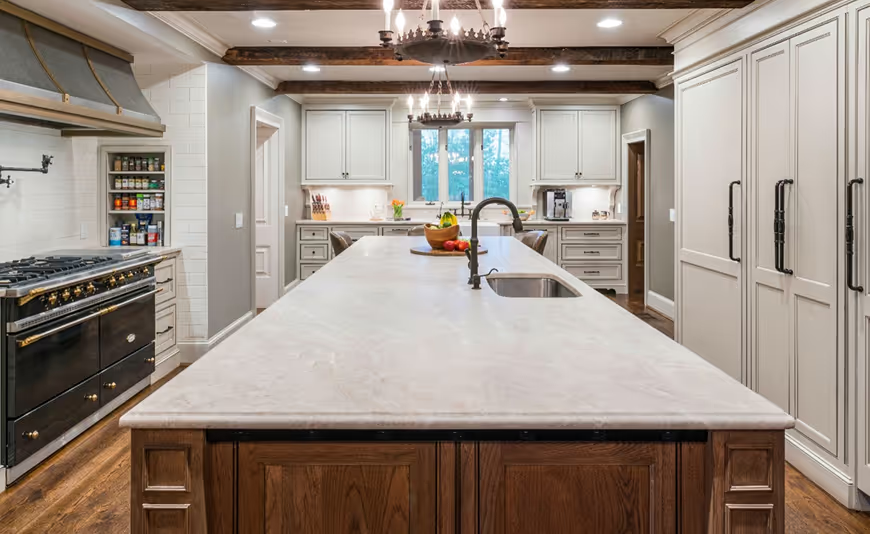
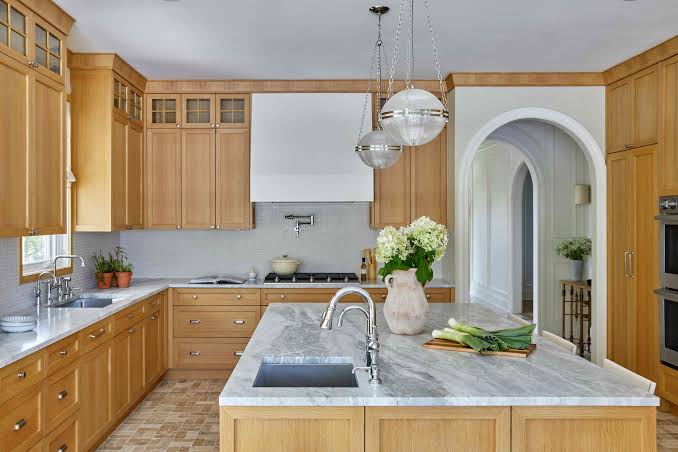
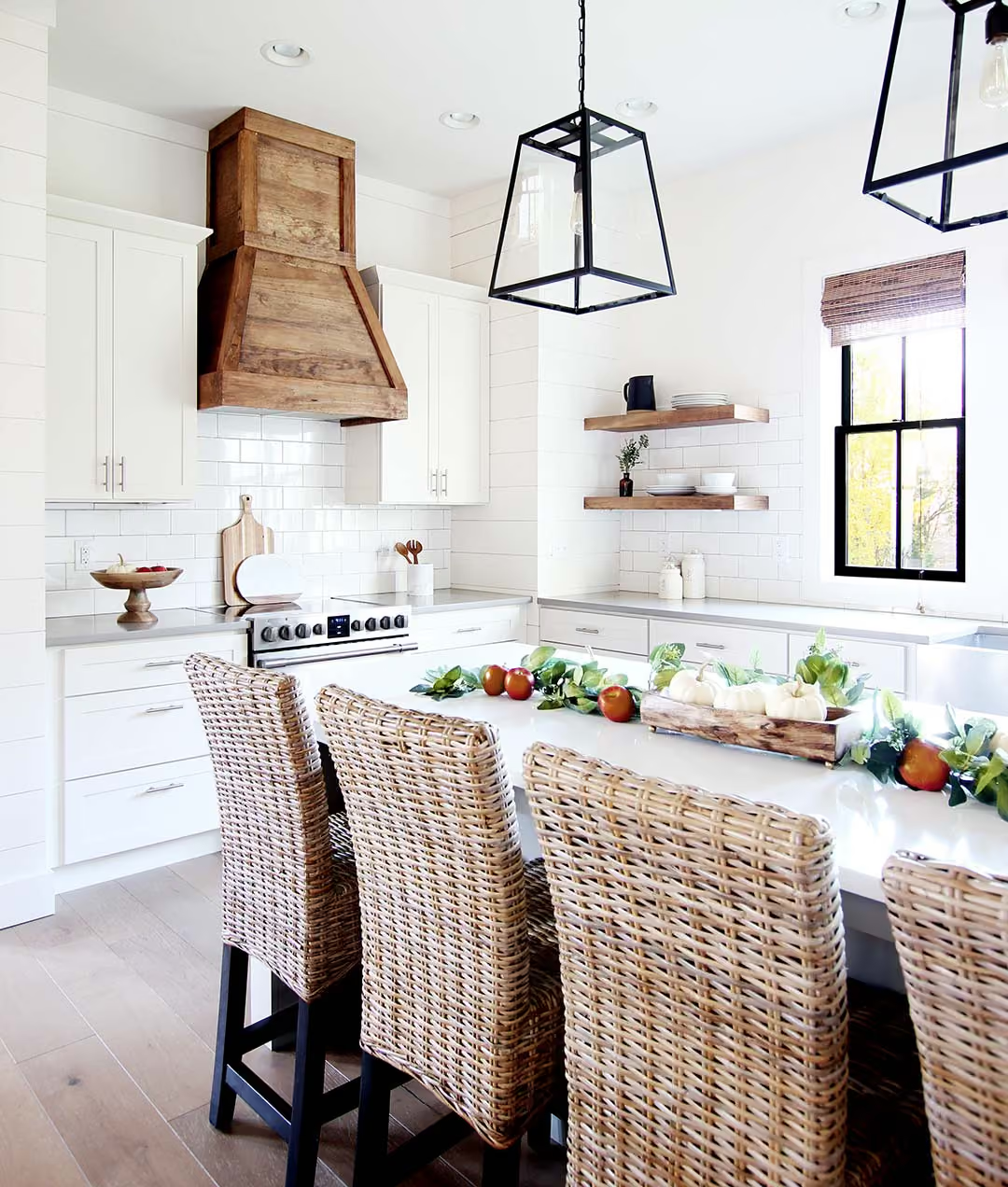
Cabinet color plays a bigger role in granite selection than most homeowners expect going in. Lighter cabinets generally have more room to handle a bold, heavily veined granite, while darker cabinets usually look better with a simpler, more consistent pattern to avoid the kitchen feeling busy. A broader look at what's trending across countertop materials this year is a good starting point for narrowing down color direction before visiting a slab yard.
See Granite in Real Virginia Kitchens
A gray mist granite paired with whisper white subway tile shows up well in the Rochelle kitchen project, and a homeowner leaning toward a bolder pattern might look at how a steel grey granite reads in the Madison, VA kitchen and bath project. The Charlottesville valle nevado granite project is another good reference for how movement-heavy granite looks once fully installed and sealed.
Serving Gainesville and the Surrounding Area
Granite supply and installation work extends throughout Gainesville and into nearby communities including Manassas, Warrenton, Centreville, Chantilly, and Woodbridge.
Frequently Asked Questions
How do I know if a granite slab has been sealed?
A properly sealed granite countertop should resist water absorption, which you can test by placing a small amount of water on the surface. If it beads up rather than darkening the stone, the seal is holding. If it darkens, resealing is due.
What's the difference between granite tiers?
Granite tiers reflect rarity and pattern complexity rather than quality. Lower tiers have more consistent, simpler patterns and lower cost, while higher tiers include rarer colors and more dramatic veining at a higher price point.
Do I need to see the actual slab before buying granite?
Yes. Because granite is a natural material, no two slabs are identical, even within the same color name. Seeing the specific slab that will be used in your home prevents surprises after installation.
How much does granite cost installed in Gainesville, VA?
Entry to mid-tier granite typically runs $50 to $75 per square foot installed, while higher-tier and exotic granite runs $75 to $120 or more per square foot.
Is granite better than quartz for a Gainesville kitchen?
Neither is objectively better. Granite offers a natural, unique look and slightly better heat resistance, while quartz requires no sealing and offers more consistent color matching.
Do you supply and install granite countertops in Gainesville?
Yes, granite supply and installation covers Gainesville and the surrounding area. Reach out at gracehousestudio.com/contact or call (571) 800-7686 to talk through options for a specific kitchen.
Start With a Free In-Home Consultation
The best way to buy granite with confidence is to see real slabs against your own cabinets and lighting before committing. A free in-home consultation brings samples to your Gainesville kitchen and walks through honest, itemized pricing rather than a rough estimate.
Explore countertop fabrication and installation, then request a consultation at gracehousestudio.com/contact or call (571) 800-7686 to get started.
%20%40dnicoledesignstudio.webp)